Bedroom decor that makes the room feel calm and pulled together
Get your bedroom decor right with a few focused choices. Learn how to place the bed, layer your bedding, choose nightstands, and hang drapes for a calm room.
- Styled by Lenora Kittredge
- 7 minute look

A calm, pulled together bedroom starts with the bed placed at the center of the room. You then build quiet layers around it with matching nightstand heights, heavy drapes, and a large rug. A few personal objects finish the space without crowding the surfaces.
Position the bed as the main focal point
The bed dictates the entire flow of the room. You want to place it on the longest unbroken wall. This setup creates an immediate focal point when you walk through the door. Leaving equal space on both sides makes the room feel balanced.
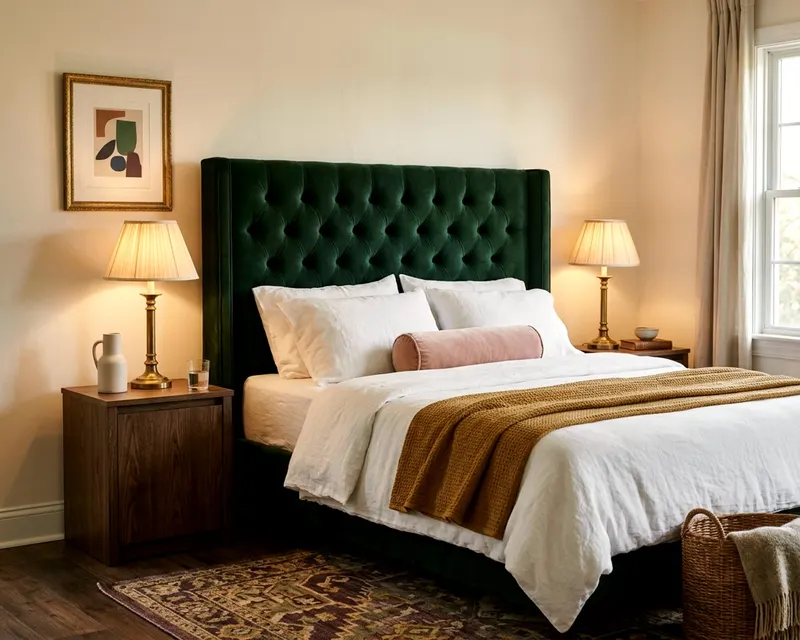
The headboard acts as the visual anchor for your bedroom decor. A tall wood or upholstered headboard draws the eye up. Does your mattress sit high enough to feel substantial? A very low bed often looks like a temporary setup.
Pushing a large bed into a tight corner might seem like a smart space saver when you map out the floor plan. It actually just makes the room feel cramped. A central placement sets the stage for a symmetrical layout. A sturdy bed frame stops squeaks and shifting.
The foot of the bed should face an open area. A wooden bench at the foot of the bed fills a long room nicely. The bench gives you a spot to sit and put on shoes. It also catches the throw blanket at night.
Keep the space under the bed clear. A clear floor makes the room look larger. Dust bunnies gather quickly under a low frame. A quick sweep now and then keeps it tidy.
Layer your bedding in three textures
Good bedding relies on a mix of textures rather than loud patterns. You want to layer three distinct materials for a finished look. Start with crisp cotton percale sheets. Cotton percale usually feels crisp and cool to many people.
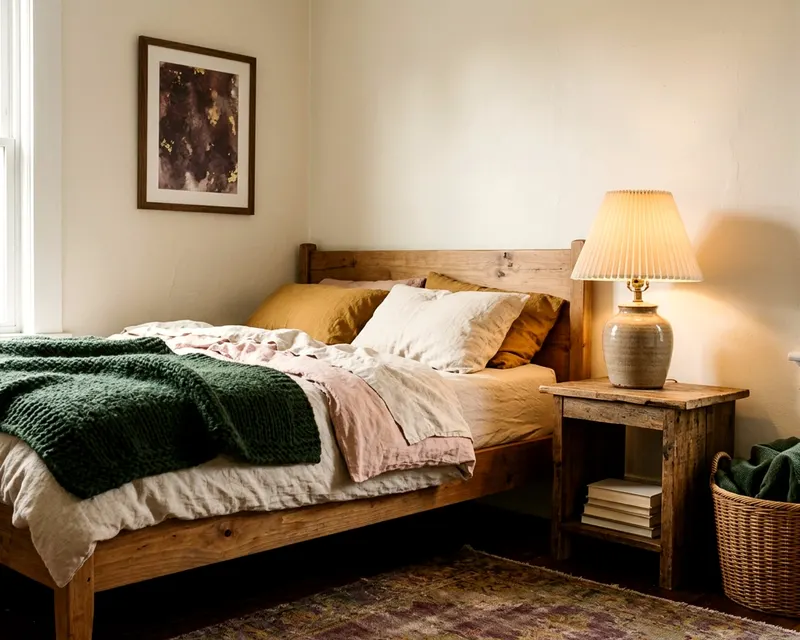
Add a heavy linen duvet cover over the sheets. Linen has a natural wrinkle that looks relaxed but high quality. Fold a chunky wool or cotton throw blanket across the foot of the bed to break up the large expanse of the duvet. The combination feels rich and deliberate.
Bedroom decor often fails when the bed looks flat and thin. Layers give the bed a plush appearance. Pillows require a firm hand to keep them tidy. A few pillows per person is plenty.
Your sleeping pillows lay flat. Stack the sleeping pillows flat on top of each other. Lean one sham or decorative throw pillow against the headboard in front of them. The pillows should look plump and full.
Replace flat, lifeless pillow inserts with fresh inserts in a fill you like. You can make a bedroom feel like a good hotel room with tight sheets and thick pillows. Smooth the duvet out every morning. The habit takes only a few minutes.
Match nightstand and lamp scale instead of style
The tables beside the bed look best when they share a similar visual weight. They do not need to be an exact matching pair. A heavy oak chest on the left balances a solid painted cabinet on the right. Matching their scale keeps the room from feeling lopsided.
The height matters most. The nightstand top often sits close to the top of your mattress, so a glass of water stays easy to reach. A nightstand that sits too low looks like an afterthought. A table that sits too high blocks your view.
The lamps need to match in height. Symmetrical lighting frames the bed and creates a strong visual border. A mismatched pair of lamps makes the room look messy and thrown together. The lampshade often sits near shoulder height when you read in bed.
This height helps keep bulb glare out of your eyes. Choose a warm bulb for these light fixtures. A soft amber glow feels restful. Cool white light breaks the quiet mood.
You can read about what light color temperature to use in each room to get this right. The cord should drop cleanly behind the table. Use a small piece of tape to hide the wire against the back leg.
Frame the windows with light-blocking drapes
Thick drapes soften the hard edges of the window frame and block much of the light. You want to hang the curtain rod high. Place the rod just below the ceiling line. Run the rod well past the sides of the window casing.
The window looks taller and wider with this placement. The drapes frame the glass without blocking the natural light during the day. You get the maximum amount of sunshine this way. The fabric should drop all the way down.
The drapes should just kiss the bare floor or the carpet. Short curtains make a wall look cut in half. Is your fabric heavy enough to block the sun? Heavy materials like velvet or thick cotton canvas hang well.
The fabric holds straight folds from the top to the bottom. Lined panels block out streetlights and the early morning sun. A darker room feels calmer. Lining can also help protect the face fabric from sun fading.
Iron or steam the panels before you hang them. Wrinkled fabric undoes the polished look. Use sturdy metal rings to slide the drapes back and forth.
Lay a rug that extends past the bed
A large rug grounds the furniture and softens the hard floor. The rug must extend well past the sides and foot of the bed. The rug should cover the floor under most of the bed. You want a wide border of rug showing on all three open sides.
The rug provides a soft, warm place to step on cold mornings. A tiny rug placed only at the foot of the bed looks disconnected. Pull the rug away from the wall at the head of the bed. The nightstands should sit entirely on the hard wood floor.
The rug starts just in front of the nightstands. This setup keeps the nightstands perfectly level. Your glass of water will not wobble. Wool is often durable and comfortable under bare feet.
It cleans up easily with a regular vacuum. Synthetic rugs often cost less but can feel slick or scratchy. A subtle woven pattern hides lint and dust between cleanings, while a solid dark rug shows every piece of white fuzz. A thick felt rug pad underneath stops slipping.
Keep surfaces clear and hide your storage
A quiet room requires empty space on your tables and dressers. Visual calm depends heavily on putting everyday items out of sight. You need dedicated closed homes for all your small items. Store phone chargers, lip balm, and reading glasses in the nightstand drawers.
A bare tabletop feels restful and clean. Move stacks of unread books to a shelf in another room. Keep only the one book you are reading by the bed. Use closed closets and dressers for all your clothing.
An open clothing rack looks messy very quickly. Baskets with solid lids hide extra blankets and bulky sweaters. You want to look around the room and see flat, clear surfaces. Dusting takes only a few minutes when the dressers are clear.
When you need ideas for redecorating a bedroom, start the entire process by simply removing the things you no longer use. Most bedrooms hold far too much furniture. A bed, nightstands, and a dresser often do the job. Move the stationary bike to the garage or a spare room.
Add a few personal pieces
The final touches make the room yours without turning into clutter. You want to add just a few meaningful objects. A small brass clock on the nightstand serves a clear, practical purpose. A heavy ceramic bowl holds your watch at night.
A framed photograph looks nice standing on a tall dresser. Limit yourself to a few items per flat surface. Any more than that starts to look like a retail display.
A wooden tray can corral a water carafe and a drinking glass. The tray makes the loose objects look like a planned group. Grouping things gives the eye a break and organizes the shape. Avoid bringing office items or paperwork into this room.
The decor should remind you to rest, not to pay bills. A simple glass vase with a fresh green branch brings in a bit of life. Keep the additions small and intentional.