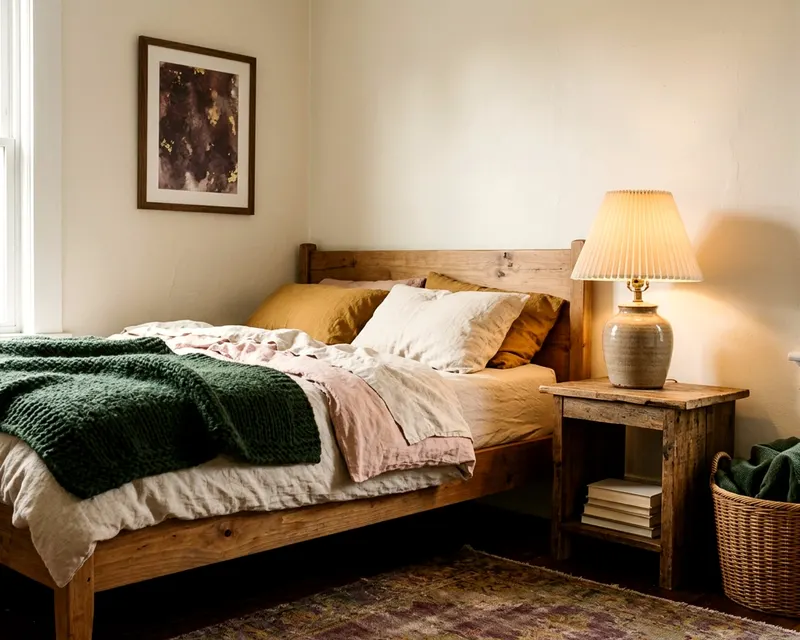
9 ways to make a bedroom feel like a good hotel room
Nine luxury bedroom ideas that give your room the feel of a premium hotel, from a tall headboard and layered bedding to warm, dimmable lamps.
- Styled by Lenora Kittredge
- 7 minute look
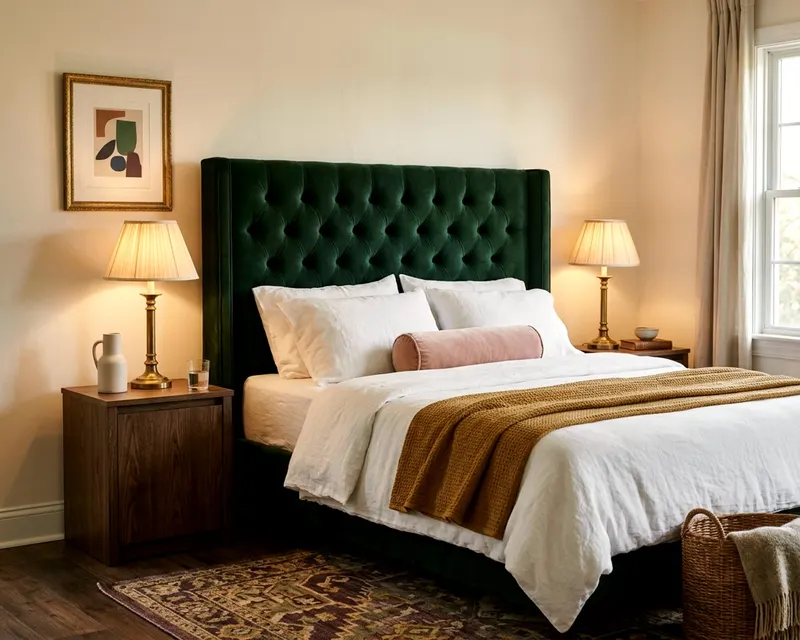
People look for luxury bedroom ideas when they really want the feel of a premium hotel room. You can get that feeling at home entirely through styling without any demolition or new drywall required. It comes down to controlling visual weight and tight organization where everything serves a clear purpose.
1. An upholstered or tall headboard
The headboard anchors the room. A tall upholstered frame gives the eye a solid place to rest. Fabric softens the hard lines of the bare walls and the wooden nightstands. It also gives you a comfortable place to lean back and read.
Choose a textured fabric like linen or woven cotton in a solid color. Avoid busy patterns that demand too much attention. A headboard rising well above the pillows makes the ceiling feel higher. Swap out a low profile bed frame for a taller backboard to ground the space.
You do not even need a complete bed frame. Wall-mounted headboards hang like heavy picture frames behind the mattress. This approach lets you push the bed flush against the wall.
2. Layered bedding with a well made finish
Crisp white sheets form the foundation of a hotel bed. Heavy cotton percale offers a crisp feel that sleeps cool and holds up to frequent washing. The layers do most of the work. A thick duvet folded back halfway reveals the sheets and adds visual weight.
Standard pillows and large shams build a full profile at the top of the bed. Buy firm inserts so the pillows stand up straight. Tuck the flat sheet tight under the mattress on all sides. This simple habit keeps the bed looking sharp instead of rumpled.
Add a folded quilt across the foot of the bed. The extra layer brings texture and provides warmth on cold nights. Smooth out all the wrinkles with your hands.
3. Drapes hung high and wide
The drapes control the light and shape the proportions of the wall. Curtains hung right above the window frame make the room feel small. Many hotels mount the drapery track near the ceiling and extend it well past the glass. That trick makes a narrow window look wider.
Buy panels long enough to barely brush the floor. The fabric should hang straight down without puddling on the floorboards. Use a heavy material lined with blackout fabric to block the early morning sun. Thick drapes can also muffle street noise and help hold heat in the room.
Hang the drapes using metal rings or a hidden track system. Avoid thin rod pocket curtains. They bunch up and look cheap. A heavy drape needs substantial hardware to glide easily.
4. Matching lamps for symmetry
Symmetry reads as order. Matching lamps on identical nightstands frame the bed in perfect balance. This mirror effect is the fastest way to make a room look planned. You do not need expensive fixtures to achieve it.
The lamps need substantial bases to hold their own next to a large bed. Thin metal sticks look weak against a tall upholstered headboard. Ceramic jugs or wide brass columns carry enough visual weight. Match the height of the lamps to the height of the headboard for a level sightline.
Top them with simple drum shades in plain white or cream. The shades direct the light downward for reading and keep the glare out of your eyes. Ensure both lamps use the exact same type of light bulb.
5. Warm, dimmable light
Bright overhead lights ruin a calm mood. Hotel rooms rely on soft pools of light scattered around the space. You want to control the brightness depending on the time of day. Put the main ceiling switch on a dimmer.
The bulbs dictate the room's mood, so buy warm white bulbs for a soft glow that resembles late afternoon sun. Matching the light color temperature across all your lamps keeps the room feeling cohesive and avoids a clinical look. Turn off the ceiling fixture at night. Rely entirely on your bedside lamps and a floor lamp in the corner.
Planning a layout with three lighting layers gives you the right mood on demand. You need task lighting for reading and ambient lighting for relaxing.
6. A bench or chair at the end of the bed
A seating area gives you a spot to put on shoes or drop a bag. It stops you from tossing your clothes onto the clean sheets. A bench anchors the foot of the bed and finishes the furniture arrangement. It prevents the mattress from looking like a lonely island in the middle of the floor.
Choose a bench slightly narrower than the width of your mattress. An upholstered seat ties back to the headboard fabric. A heavy wooden bench adds contrast to a soft bed. If you have a deep room, a small armchair and a side table work just as well.
Keep this seating clear of laundry. This dedicated spot makes the room feel like more than a place to sleep. A small folded throw blanket on the chair adds a welcoming touch.
7. Hiding cords and clutter
Visual noise destroys a calm room. Hotels hide the wires and clear the surfaces before you arrive. A bedroom full of charging cords and loose receipts will never look polished. You need a strict system for the small items.
Route your phone cords behind the nightstand. Use small adhesive clips to hold the wires out of sight against the back leg. Keep the bedside table clear of everything except a lamp and a water glass. Place a small ceramic tray in a drawer for your rings and watch.
Keeping the surfaces clear is the easiest way to maintain that crisp hotel standard. Buy nightstands with at least one deep drawer. A drawer hides the books and hand cream that usually clutter the top.
8. One special material such as velvet or brass
Rich textures catch the light and add depth. Plain cottons and painted wood need a heavy counterpoint to look rich. Pick one strong material to feature in the room. Velvet throw pillows or a brass reading sconce do the job well.
One heavy brass tray on the dresser adds a polished edge. A dark velvet bench at the foot of the bed draws the eye. These small touches of heavy material make the plain white sheets look even cleaner by contrast.
Limit yourself to one bold choice so it stands out. Natural walnut wood provides a warm tone that grounds a bright room. Leather offers a tough texture that balances out soft linen drapes.
9. A large rug that frames the bed
The rug pulls the furniture together into one distinct zone. Bare floors feel cold and unfinished under bare feet. A large rug anchors the bed and softens the footsteps. It needs to extend wide past the sides and foot of the bed frame.
A small area rug looks skimpy under a large mattress. Buy a rug big enough that you step out of bed onto it from either side. Place it so the front legs of the nightstands rest on the edge.
Wool fibers tend to resist crushing and dirt better than many synthetic options. Stick to a muted color or a subtle pattern that does not fight the bedding for attention. A thick felt pad underneath adds comfort and stops the rug from shifting.
How to pick a calm color palette
Hotels often avoid bright primary colors in their bedrooms. Loud walls demand attention and can feel stimulating. A calm room relies on quiet tones that fade into the background. Warm whites, soft grays, and deep blues work best.
Paint the walls a flat or matte finish to absorb the light. Glossy paint reflects glare and highlights every bump in the drywall. Darker colors make the edges of the room recede in the evening. This tricks the eye into thinking the walls are farther away.
Carry your chosen color from the walls down to the rug. A tight color palette looks intentional and highly organized. Keep the base tones neutral. Add your darker shades through the curtains and the accent pillows.
The daily habits that keep it looking good
The best styling falls apart if the room gets messy. You have to do the daily work of resetting the space yourself. Making the bed takes a few minutes and sets the standard for the whole day. Pull the sheets tight and fluff the pillows.
Pick up clothes from the floor immediately. Never use a corner chair as a makeshift laundry hamper. Put dirty clothes directly into a basket hidden in the closet. Take empty water glasses back to the kitchen every morning.
A polished room requires empty surfaces and tight corners.