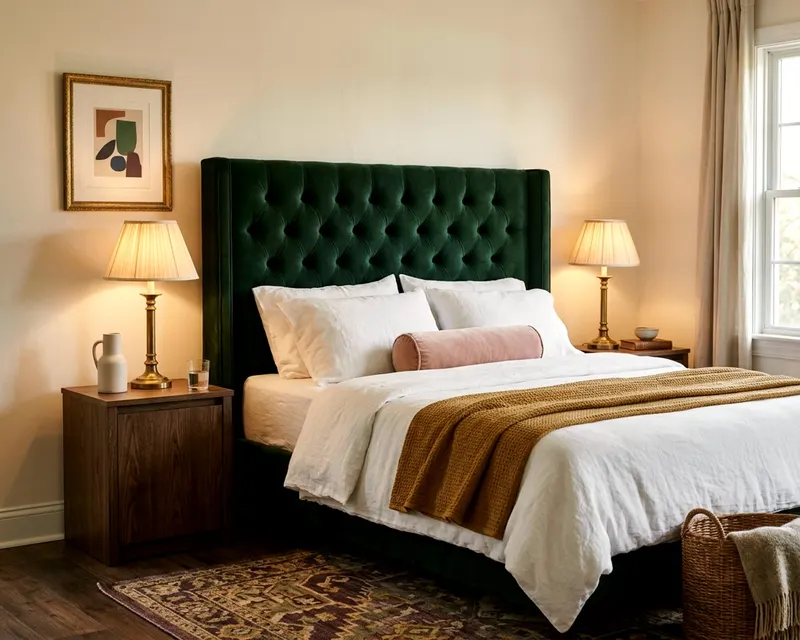
Rustic bedroom ideas that feel warm and not like a cabin set
Build a warm space with these rustic bedroom ideas using natural wood, heavy cotton and a soft color palette that avoids looking like a cabin set.
- Styled by Lenora Kittredge
- 8 minute look
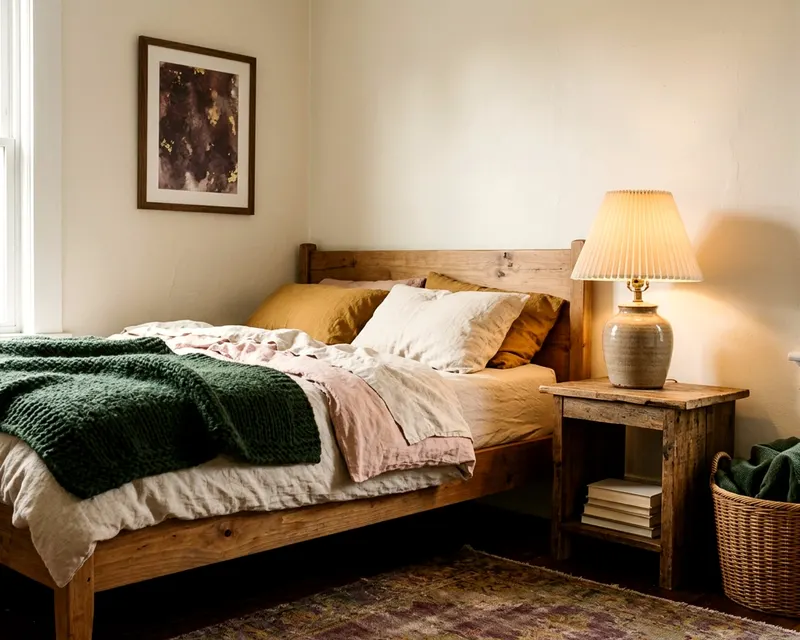
A rustic bedroom relies on natural textures and muted colors to feel grounded. Wood furniture, heavy cotton and warm lighting create a restful space. You get a comfortable room that feels intentional rather than like a stage set.
What makes a bedroom feel rustic rather than themed
The bed sets the tone immediately. A solid wood frame brings weight and a rough natural texture to the bedroom. Too many matching pine pieces cross the line into a predictable cabin theme, so you want a few strong rustic elements mixed with clean lines.
Soft fabrics contrast nicely with hard wood edges. Country bedroom ideas often lean on painted finishes or bright floral patterns. True rustic style favors natural wood grain and unpolished stone instead. The goal is simple warmth, and a calm room relies on natural materials.
Avoid anything with an obvious wilderness motif, as the finishes carry the style on their own. A plain wooden bench at the foot of the bed works far better than a carved bear trunk. The eye needs quiet places to rest. Blank walls painted a soft cream allow a single piece of textured art to stand out.
An old woven basket in the corner serves as a laundry hamper and feels like it belongs to a working home. Real materials age gracefully, so a thick leather armchair develops a soft patina over time. A hollow plastic lamp base looks cheap. Put your effort into a few solid, honest pieces of furniture.
Wood tones for the bed, nightstands and beams
The bed frame anchors the space, and solid oak or walnut offers a deep, grounded look. Lighter woods like ash bring a softer rustic feel. Nightstands should not perfectly match the bed because a matching bedroom set feels flat. Pair a dark wood bed with lighter side tables so the contrast looks collected over time.
Wood beams add architectural interest to the ceiling, and rough-hewn beams provide a heavy, traditional rustic look. Smooth beams keep the room feeling modern. A low ceiling with heavy beams makes the room feel cramped. Keep the wood finishes matte, because glossy varnish belongs in a formal dining room.
A matte oil finish protects the surface while letting the grain show. Reclaimed wood works well on a single piece, but an entire room of reclaimed barn wood feels overwhelming. Choose one or two feature pieces. A reclaimed wood headboard against a plain wall makes a strong statement.
You can introduce wood through smaller details, and a large wooden mirror frame reflects light and adds warmth. The bedroom door itself can introduce natural wood. A solid wood door with simple iron hardware feels substantial. Keep the wood grain visible to avoid hiding the natural beauty that makes a rustic room work.
Grounding the floor with thick wool and woven rugs
The floor needs a soft layer over the wood. Bare boards look authentic but feel cold on bare feet in the morning. A large area rug anchors the bed and softens the footsteps. Thick wool rugs offer the best texture for a rustic room, and wool is a durable choice.
You want a rug large enough to extend past the sides and foot of the bed. A small rug floating in the middle of the room looks awkward. Jute and sisal rugs bring in a strong natural fiber element, adding a rough texture that suits the style. Check how each fiber feels underfoot before you buy.
You can layer a smaller wool rug over a large jute base. The layered look adds richness without looking cluttered. Choose rug patterns with simple, geometric shapes or faded traditional motifs. A loud, modern graphic pattern clashes with the quiet mood.
Earth tones work best on the floor. A deep olive or soft brown rug hides minor stains and grounds the furniture. Avoid synthetic rugs with a high sheen. Fake silk fibers look shiny and ruin the natural aesthetic.
Bedding in linen, wool and heavy cotton
The mattress needs layers of matte texture. Linen sheets offer a relaxed, wrinkled look that fits rustic bedrooms and feels breathable against the skin. Heavy cotton provides a crisper alternative. The blankets add the visual weight, and a thick wool blanket draped across the foot of the bed brings warmth.
Avoid silk, satin and velvet. Shiny fabrics clash with the raw natural materials of the room. The throw pillows should follow the same rules, so a textured wool pillow adds depth. Limit the decorative pillows so the bed looks inviting rather than complicated.
Layering different textures keeps a simple bed looking comfortable. A heavy cotton quilt under a wool throw creates a rich surface. The color of the bedding matters, and crisp white sheets can look harsh against a dark wood bed. Ivory or oatmeal sheets soften the transition.
A faded olive green duvet cover brings in a natural hue. The fabrics should look thick and durable, as flimsy synthetic throws look out of place. A heavy knit blanket invites you to sit down. Wash your linen sheets often to soften them further, creating the slightly rumpled look a rustic bed needs.
A color base of cream, moss and warm brown
The walls need a soft, warm base since bright white feels too stark against heavy wood furniture. Cream or warm beige walls soften the contrast. Moss green brings the outdoors inside. You might paint the trim a muted green or use it for the curtains.
Warm brown ties the wood tones together, and a brown wool rug grounds the space. Avoid primary colors and bright pastels, as rustic rooms rely on colors found in nature. The drapes should match the wall color or pick up a dark accent tone. Heavy linen drapes in moss green frame the windows nicely.
Warm paint shades make the room feel cozy at night. A muted palette lets the texture of the wood and stone stand out. Dark charcoal gray works well as an accent color, and a charcoal iron bed frame against a cream wall looks striking. Terracotta brings a warm, earthy red into the room.
A terracotta clay table lamp sits well on a walnut nightstand. Keep the ceiling color light to reflect the lamps, but avoid stark white since it ruins the mood. Paint the ceiling a lighter shade of your cream wall color so the whole room feels wrapped in warmth. A soft color palette covers for a lot of mismatched furniture.
Framing the windows with heavy natural fabrics
Window treatments finish the room. Bare windows look unfinished in a bedroom and let in too much early sun. Heavy natural fabrics fit the rustic look. Thick linen drapes offer privacy while adding a rough texture to the walls.
You want the curtains to touch the floor because short curtains that stop at the sill look choppy. Hang the curtain rod high above the window frame to draw the eye up and make the ceiling feel taller. Wrought iron or dark bronze curtain rods match the rustic theme. Shiny brass or plastic rods look flimsy next to heavy fabrics.
Layering window treatments gives you control over the light. You can pull down woven wood shades for privacy during the day. Woven bamboo or grass shades add another layer of natural material to the space.
Keep the curtain colors muted and earthy. A soft taupe or faded sage green blends well with wood furniture. Avoid sheer synthetic panels because they belong in a modern apartment, not a rustic bedroom. The fabric should have enough weight to hang straight and block the draft.
Lighting with a soft, low glow
The lighting shapes the mood of the bedroom, and harsh overhead lights ruin a rustic atmosphere. You want a low, warm glow from multiple sources. A brass or forged iron wall sconce works well next to the bed. The metal finish adds another natural material to the mix.
Table lamps with linen shades cast a soft light across the nightstands. Ceramic lamp bases introduce an earthy texture. Use bulbs that give off a warm amber light, because bright blue or cool white bulbs can make natural wood look less warm. Dimmer switches allow you to drop the light level in the evening, and the bulbs should be labeled dimmable.
Keep the ceiling fixture simple, using a forged iron chandelier if the ceilings are high. A simple fabric drum shade works better for low ceilings. A reading floor lamp beside an armchair creates a comfortable corner. Cast iron or oil-rubbed bronze finishes suit a rustic room.
Shiny chrome belongs in a modern bathroom. The lampshades should be heavy cotton or linen, as a paper shade tears easily and looks frail. A burlap shade adds heavy texture but blocks too much light. Stick to simple linen shades in beige or cream so the light filtering through the fabric warms the whole room.
Details to skip so it does not feel like a lodge set
A rustic room easily slips into a caricature, so skip the faux distressed finishes. Furniture should look naturally worn or simply well made. Fake paint chips look staged and cheap. Plaid fabric is a classic rustic pattern, but use it sparingly.
A single plaid throw pillow works. A plaid bedspread, rug and curtains turn the room into a lumberjack theme. Leave out the taxidermy and antler decorations. You can achieve a connection to nature without literal animal heads on the wall.
Avoid anything mass-produced with words stamped on it, as signs that say cabin or relax break the spell. The materials should do the talking. A handmade ceramic bowl on the dresser holds jewelry and adds character. A stack of old books brings history.
Keep the floor clear of clutter because a rustic room needs breathing room to appreciate the heavy furniture. Wrought iron hardware on the doors adds a nice finishing touch, whereas flimsy plastic handles ruin the illusion of age.