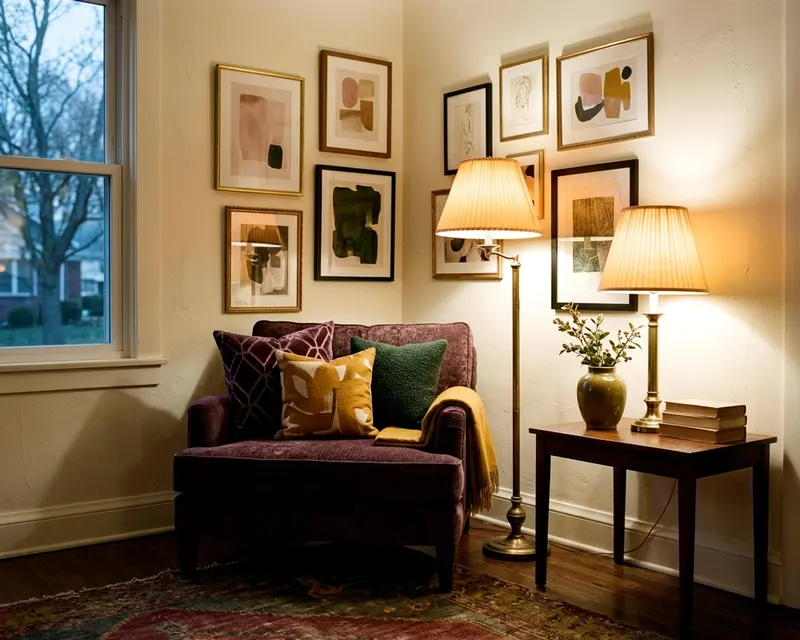
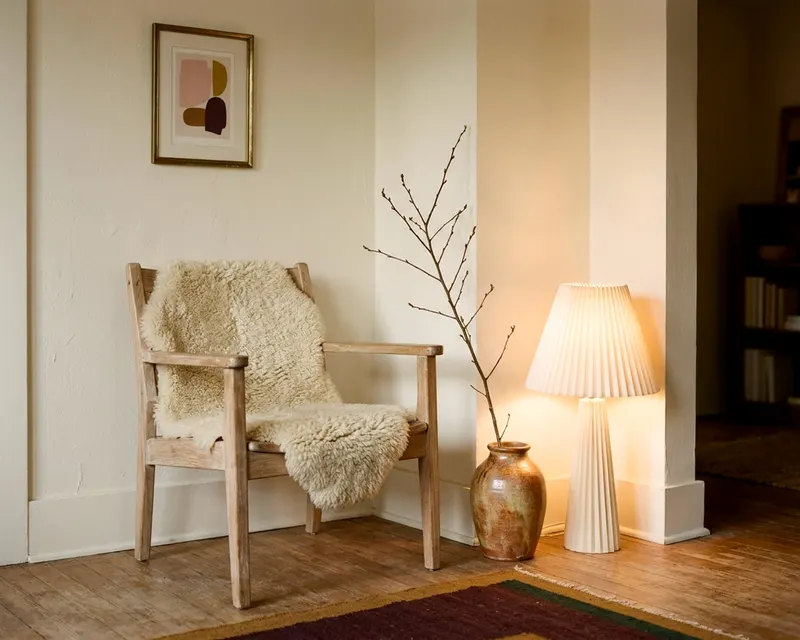
What art deco interior design looks like in a modern home
Bring art deco interior design into your modern home with these tips on using bold geometry, rich colors and polished brass without making a period set.
- Styled by Kellan Langley
- 8 minute look
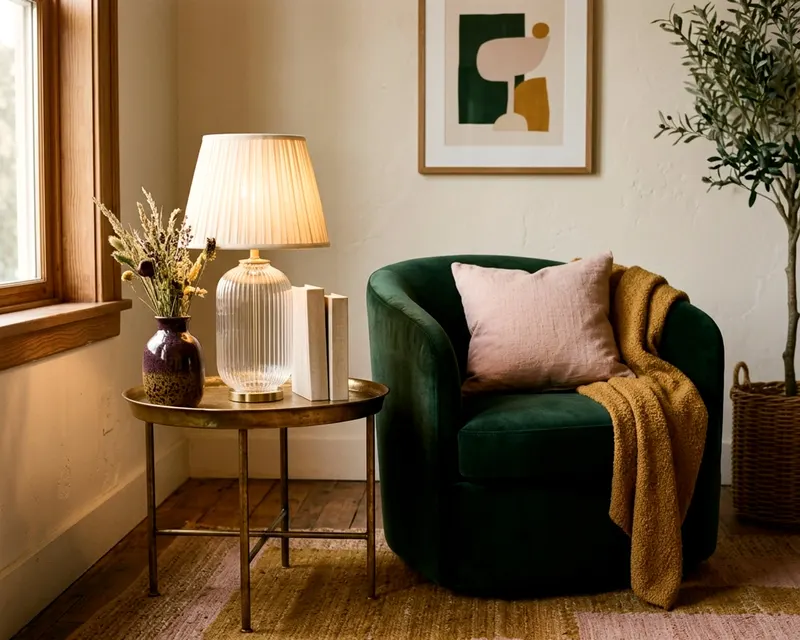
Art deco interior design brings sharp geometry and high polish to a room. You know it by the stepped arches, heavy glass and gleaming brass. The trick to using the style in a modern home is strict restraint. A few strong shapes and reflective surfaces give a space structure, while too many turn it into a movie set.
The shapes that say art deco
Start with geometry, where lines are deliberate and sharp. You rarely see a casual, organic shape in an art deco room. The arch is the most common motif, pulling the eye up the wall and rounding off harsh corners. You find this curve on doorways, heavy mirrors and tall headboards, giving the room a sense of height and importance.
The sunburst pattern commands attention by stretching out from a central point. You see this shape carved into wooden cabinet doors or formed by metal rods on a wall clock. The expanding lines create a feeling of energy and break up flat surfaces. They force you to look directly at the center.
Stepped lines bring the shape of a skyscraper indoors. The profile staggers upward, wide at the base and narrow at the top. You notice this ziggurat shape on heavy table lamps and plaster wall molding. This layered look gives ordinary objects a grounded, architectural weight.
Fans and scallops offer a softer geometry. The repeating curved lines look like the overlapping scales of a fish, often woven into thick rugs or printed on wallpaper. A scalloped edge on a velvet chair back softens the strict grid of the room. These curves keep the rigid straight lines from feeling too harsh.
Zigzags and chevrons add a sense of speed to the floor. A patterned tile layout uses these sharp, repeating angles to lead you down a hallway. Keep the edges crisp and well-defined. A blurry or faded pattern loses the strict control the style demands.
Materials and finishes for a polished room
The finish matters exactly as much as the shape. A black lacquered credenza catches every reflection and shadow in the room, reflecting light like a mirror. This high gloss treatment turns a simple wooden box into a striking focal point. You have to keep it dusted, but the deep shine pays off.
Brass warms up the cold, hard edges of the room by framing glass tables and dark cabinet doors. Do you want a subtle, lived-in shine? Choose unlacquered brass that naturally darkens and spots over time. Otherwise, highly polished brass glows against dark walls and keeps the room looking sharp.
Dark wood provides a heavy base for the shiny metals. Walnut, mahogany and ebony bring deep brown and black tones to the furniture, while burl wood veneers show off swirling grain patterns. The rich wood offers a natural texture that contrasts with the strict, man-made geometry. Heavy wooden furniture gives the room a permanent, settled feeling.
Velvet absorbs the light that the lacquer and glass bounce around. A heavy mohair velvet sofa anchors the living room, feeling rich under your hand and changing color as you brush it. This soft texture prevents the room from feeling like a cold museum.
Heavy glass keeps the massive furniture from overwhelming the space. A thick glass coffee table reveals the patterned rug underneath, and smoked glass on a side table adds a moody reflection. Mirrored furniture multiplies the light in a dim corner. Use these clear and reflective surfaces to give the eye a resting place.
Color pairs that suit the style
Strong contrast defines a deco color scheme, with black and gold creating the most recognizable pairing. The black provides a deep void, and the gold strikes cleanly through it. Use this bold combination sparingly in a modern home. A black marble fireplace with gold veining sets the tone without overwhelming the living room.
Emerald green brings vivid life to dark corners, working beautifully on heavy velvet upholstery or long drapes. Pair the emerald with pale blush pink to soften the overall mood. The pink acts as a warm, neutral background while the green takes the spotlight.
Navy blue and silver offer a cooler alternative. A dark blue accent wall recedes to make a small room feel slightly larger, while silver picture frames pop brightly against the paint. This cool palette feels crisp and tailored. You can use it in a bedroom for a calm, controlled atmosphere.
Warm terracotta and mustard yellow bring in the colors of the earth for a softer approach. A mustard yellow armchair stands out beautifully against a dark brown wood-paneled wall. The terracotta adds a baked, dusty warmth to a geometric rug. These colors feel less aggressive than black and gold.
Rich colors work best when they surround you completely. Painting the baseboards, walls and window trims all one dark shade creates a cozy jewelry box effect. This approach helps dark bedroom paint feel cohesive and intentional. The dark envelope of color makes the metallic pieces shine brighter.
How to arrange a room around symmetry
Symmetry gives a room its formal, upright posture, relying entirely on balance and order. You start by finding the exact center of your main wall. The bed or the sofa sits squarely in the middle of that space. Everything else flows out evenly from that central anchor point.
Two identical side tables flank the sofa, holding two matching lamps perfectly in the center. This strict mirroring effect pleases the eye instantly. It makes a visually busy room feel calm because the brain understands the layout right away. There are no surprises in a symmetrical room.
Does your room have an awkward layout? You can fake symmetry with equal visual weight by balancing a tall floor lamp on the left with a solid armchair on the right. You trick the eye into seeing equal mass on both sides of the room. The balance remains, even if the objects differ.
Pairs of chairs sit directly opposite the main seating area. A matching set of club chairs creates a neat, contained conversation zone. You avoid the scattered look of randomly placed, mismatched furniture. Every major piece in the room has a partner nearby.
Artwork follows the same strict rules. You hang two identical frames side by side exactly the same distance from the center point. You measure the gaps carefully to keep them perfectly even. Sloppy or casual spacing ruins the formal illusion you are trying to build.
Lighting with a deco feel
The light fixture acts as the main jewelry of the room. Tiered chandeliers drop from the ceiling in concentric, heavy rings. They use thick rods of fluted glass or sheets of brushed metal to hide the bulbs inside. The fixture looks like a glowing architectural sculpture hanging in the air.
Fluted glass sconces cast tall, striped shadows on the wall. The ribbed texture breaks up the light and adds a vertical line to the room. You mount them in exact pairs to frame a doorway, a bed or a large mirror. They provide a warm, flattering wash of light right at eye level.
Globe shades offer a softer, rounder approach. The opaque white glass completely hides the sharp filament of the bulb, held in place by a simple brass rod. The perfect white sphere contrasts sharply with the jagged zigzags and straight lines in the rest of the room.
The color of the light changes the mood. A warm white bulb gives off a soft, yellow glow that mimics the soft light of an early evening. It makes the brass shine naturally and makes the velvet look deep and rich. Cool, bright white light flattens the mood.
You need light coming from multiple heights to brighten the space. A chandelier lights the center of the ceiling, sconces wash the side walls, and a heavy brass desk lamp illuminates a dark corner. When you plan your lighting layout, the room feels fully complete and usable at night.
Adding deco pieces to a modern room
You do not need to buy a whole matching set to get the look. One strong piece changes the entire mood of a plain room. A modern, low-profile linen sofa pairs well with a geometric deco accent chair. The stark contrast makes both pieces look sharper and more interesting.
The rug is the easiest place to start your design. A large rug with a bold, stepped pattern anchors a modern dining table. The geometric lines draw all the attention down to the floor. The rest of the room can stay quiet, with simple white walls and minimal furniture.
The mirror often serves as the main focal point. A large, dramatic sunburst mirror hangs over a minimal, square fireplace. The sharp metal rays command the space and bounce light around. You leave the mantle completely bare to let the mirror breathe and stand alone.
Hardware is the quickest swap. Swap out plain round cabinet knobs for heavy, hexagonal brass pulls. This takes only a few minutes with a screwdriver. The new, geometric hardware gives a basic, modern dresser a structured and highly polished edge.
A bar cart adds instant, functional charm to a living space. You choose a heavy one with glass tiers and a thick brass frame. It sits neatly in a corner, holding a few nice bottles and heavy crystal glasses. It brings a deliberate touch of old glamour to a casual room.
Where the look tips into costume
A room fails when it tries too hard. You cross the line into costume territory when every single surface shines. Too much black lacquer and gold trim feels like a stage set or a theme party. You have to give the eye a quiet place to rest.
Mix in rougher textures to ground all the bright shine. A flat wool throw blanket tones down the luxury of a velvet sofa. Matte clay vases absorb light on a glossy glass shelf. These quiet, dull moments make the polished pieces stand out much more effectively.
Leave some of your walls completely bare. You do not need a geometric, metallic wallpaper in every single room. A plain, flat painted wall lets the structured furniture do all the talking. Negative space does a lot of work when you are working with bold shapes.
Avoid stuffing too many obvious motifs into one small place. If you have a fan patterned rug on the floor, skip the scalloped headboard on the bed. Let one strong shape dominate the room. Competing patterns make the space feel nervous and crowded.
Are the colors feeling too intense for your daily life? Swap the harsh black for a soft charcoal gray, and trade the shiny gold for a muted, brushed brass. You can also learn to build a monochromatic room to quiet the palette. The room keeps its formal, architectural shape but loses the aggressive, theatrical edge.