What makes Scandinavian interior design feel so calm
Learn the principles of Scandinavian interior design and discover how to borrow its pale woods, soft textures and warm light for a calm home.
- Styled by Kellan Langley
- 7 minute look
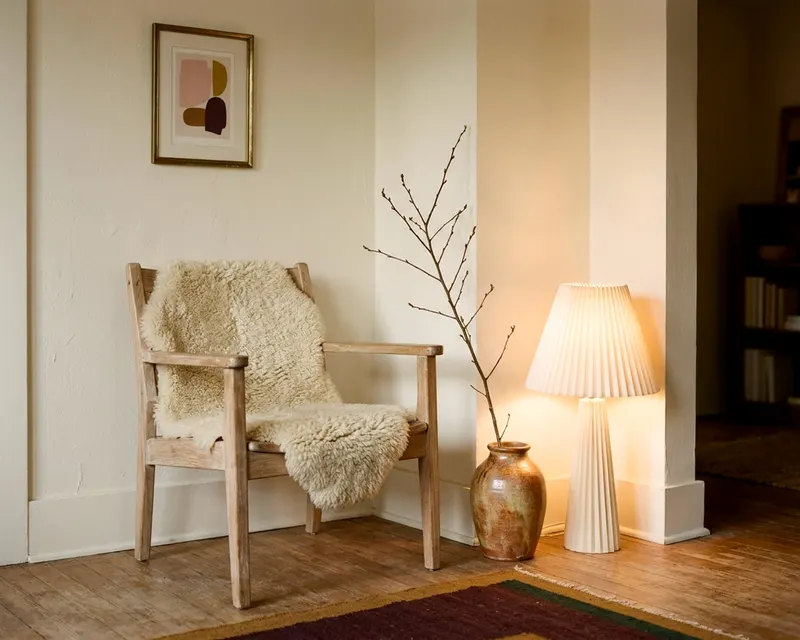
Scandinavian interior design feels calm because it maximizes light and softens the room with natural materials. Pale walls bounce weak winter daylight around the space. Bare wood and thick textiles add warmth. The result is a room that feels organized and comfortable at the same time.
Why pale walls and floors set the tone
White paint does the heavy lifting in a northern winter. Pale walls bounce scarce daylight into the darkest corners of a room. This brightness prevents the space from feeling gloomy. The color usually leans warm.
Stark white looks harsh on a cloudy afternoon, so you want a creamy off-white or a very pale gray instead. These soft tones form a quiet backdrop for everyday life. They give the eye a place to rest. You can see this effect clearly when choosing bedroom paint colors under evening lamps.
The floors follow the exact same rule. Light wood boards run through the whole house. Ash, pine and white oak keep the ground feeling light and open. Dark walnut or mahogany absorbs too much light.
Covering the floor with wall-to-wall carpet breaks the clean aesthetic, so you want the bare wood exposed as much as possible. A large area rug softens the walking path. The rug defines the seating area while letting the pale wood border frame the space.
The ceiling needs to reflect light just as much as the walls. A flat white ceiling disappears from view and lifts the visual height of the room. Avoid heavy, dark ceiling beams unless they belong to the original architecture. A bright ceiling bounces the glow from your lamps back down.
Wood tones and simple furniture shapes
Bare wood brings the outside indoors. Scandinavian furniture relies heavily on pale, unstained timber. Birch, beech and pale oak show their natural grain. The wood adds an organic warmth that stops a white room from feeling cold.
You will rarely see heavy, dark stains or glossy varnishes. A matte finish looks far more natural. A dining table might have simple, tapered legs. The matching chairs tuck neatly underneath.
Furniture shapes stay highly practical. Every piece needs a job. You will see smooth curves and straight lines. Bulky rolled arms and heavy tufting belong to other styles.
A typical sofa has a low profile and a visible wooden frame. The clean lines allow air and light to flow around the pieces. This visual space keeps the room from feeling crowded.
Storage pieces focus on function. A credenza hides the clutter behind flat wooden doors, and open shelving displays a few chosen items without overwhelming the wall.
The hardware remains understated. You might find a simple wooden pull or a plain metal knob. The design avoids unnecessary decoration.
Using texture instead of busy patterns
Texture takes the place of loud prints. A room with flat white walls and smooth wood floors needs contrast to feel inviting. You add that contrast through touch.
Thick wool blankets drape over the arm of a chair. A sheepskin throw softens a hard wooden bench. These natural fibers make Scandinavian interior decorating feel deeply comfortable. They invite you to sit down and stay awhile.
Linens add a casual, lived-in softness. Curtains made of natural linen filter the harsh afternoon sun into a soft glow. You might skip window treatments entirely if privacy allows.
When you do hang drapes, keep them light and simple. Heavy velvet panels block too much light. On the sofa, mix pillows made of different materials. A chunky knit throw pillow works well next to a smooth cotton one.
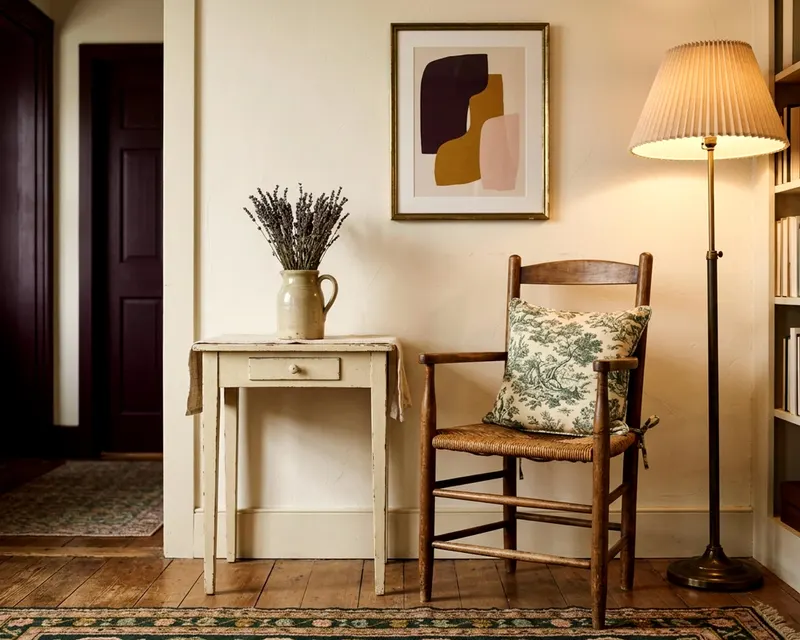
Ceramics offer another layer of physical texture. A matte clay vase holds dried branches on the dining table. Handmade mugs line the open kitchen shelves. These objects show the hand of the maker.
They feel grounding and real. Avoid shiny plastics or heavily polished metals. You want materials that age well and develop a soft patina over the years.
Warming the room with layers of light
Overhead lighting rarely does the job alone. One bright ceiling fixture creates harsh shadows and a flat, uninviting atmosphere. A calm room relies on multiple smaller light sources scattered around the space.
You might place a floor lamp next to the sofa for reading. A small table lamp brightens a dark corner. Wall sconces free up space on the nightstands. Spreading the light around makes the room feel cozy.
For this balance, see how to plan a lighting layout with three layers. The light itself must be warm. Cold, blue-toned bulbs ruin the soft aesthetic. You want bulbs that mimic the golden hour of the sun.
A warm white bulb casts a flattering glow across the pale walls and wood floors. The paper shade of a pendant lamp diffuses the light even further. It softens the glare and creates a gentle pool of illumination over a dining table.
Daylight serves as the first layer of light. You want to control it without blocking it entirely. A harsh afternoon glare washes out the soft colors of the room. You can filter this intense light with a sheer linen curtain.
Candles complete the lighting scheme. They add a natural flicker. You can group thick pillar candles on a metal tray in the center of the coffee table, as long as you never leave a flame unattended. Tall taper candles in simple brass holders sit on the mantel.
How this look differs from strict minimalism
A minimal room often aims for visual perfection. Every surface stays clear. The materials can sometimes lean toward cold metal, glass and concrete. Scandinavian interior design takes a softer path.
It values function and simplicity, but it also prioritizes human comfort. A room should look like somebody actually lives there. Books sit in stacks on the coffee table. A pair of slippers waits by the armchair.
You do not have to hide all your belongings. Everyday objects stay out in the open if they look good and serve a purpose. A beautiful wooden cutting board leans against the kitchen backsplash.
A textured throw blanket sits crumpled on the sofa. These items add warmth and life to the room. Strict minimalism might hide the blanket in a closet. This northern style leaves it out to be used.
This aesthetic also stands apart from Japandi. Japandi design mixes northern European function with Japanese elegance. It often uses darker woods, paper screens and very low furniture. A traditional Scandinavian room sticks mostly to pale woods and taller seating.
The design welcomes natural flaws. A knot in the wood floor or a visible weave in the linen drapes adds personality. These small details make the design highly forgiving. You can easily decorate a living room using these relaxed rules.
Decorating a dark or north facing room
A room with small windows poses a real challenge. You cannot rely on abundant sunlight to make the white walls glow. A north facing room receives weak, cool light that can turn plain white paint a dismal gray.
You have to adapt the approach. Choose a wall color with a strong yellow or pink undertone. This hidden warmth makes up for the missing sunshine. A soft cream or a warm putty color works better here than a bright white.
Remove heavy drapes and install simple roller shades to expose the entire window frame. A pale area rug over dark flooring brightens the center of the room. You can put a small table lamp in the darkest corner to kill the shadows during the day.
Heavy blinds and thick valances come down too. You want the glass exposed to pull in every possible ray of light.
Mirrors act as secondary windows. A large floor mirror leaning against the wall adds to the impact of a small window. Position the mirror directly opposite the glass if you can. The reflection makes the room feel larger.
Adding touches of color without breaking the calm
A calm room does not have to be entirely neutral. Introduce color carefully and take your cue from nature.
Think of a muted forest or a cloudy beach. Sage green, dusty blue and pale mustard yellow suit this aesthetic. These earthy tones sit well with light wood and white walls.
You rarely see neon brights or highly saturated primary colors. A soft, washed-out hue keeps the peaceful mood intact. Bring the color in through small, easily changed items. A throw pillow on the armchair introduces a block of forest green.
A ceramic bowl on the dining table adds a patch of muted terracotta. You can scatter these small doses of color throughout the room. They guide the eye from one spot to another. The color feels intentional because it appears in small amounts.
Houseplants provide the easiest way to add green. A tall ficus in the corner brings life to an empty white space. Pothos vines trailing down from a bookshelf soften the hard edges of the wood, and if you have pets, check that a plant is safe for them before you buy it.
The organic shapes of the leaves contrast with the straight lines of the furniture. Plants connect the indoors with nature. They belong in almost every room of the house.
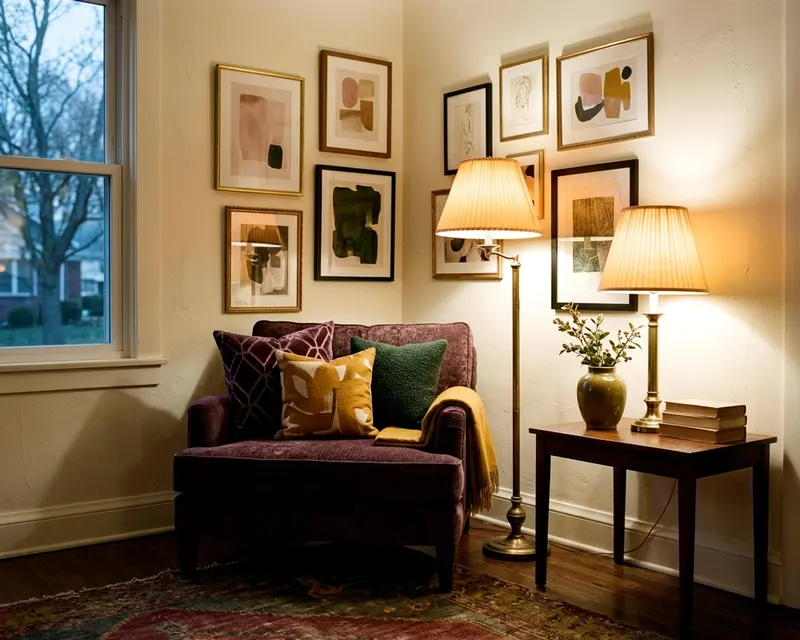
Wall art offers another place for a muted palette. A large canvas with an abstract landscape anchors the seating area. You might hang a gallery wall of simple botanical prints in thin oak frames.
Leave plenty of empty white space on the walls between the pictures. This negative space gives the art room to breathe. It stops the color from overwhelming the pale, calm background.