How to get farmhouse decor right without the cliches
Find out how to get farmhouse decor right without the cliches by focusing on honest materials, warm colors and simple furniture shapes in every room.
- Styled by Kellan Langley
- 8 minute look
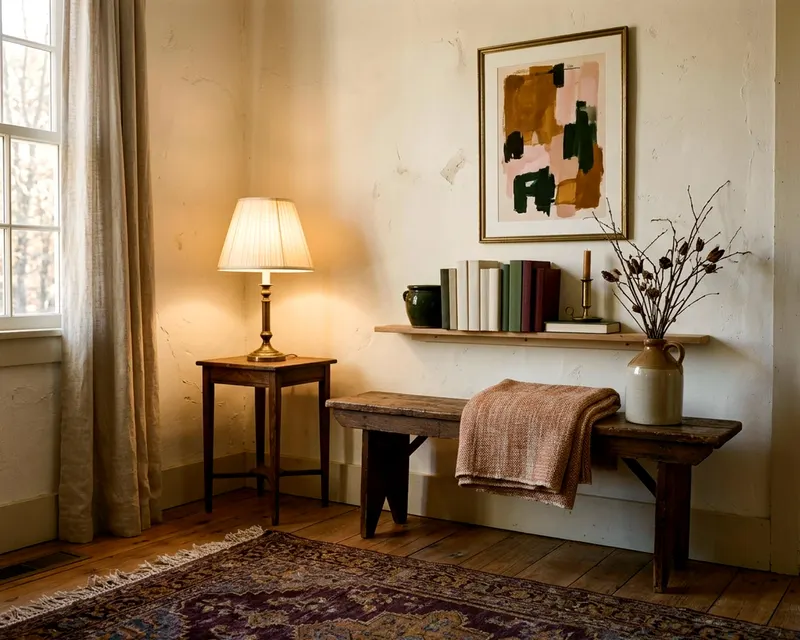
Genuine farmhouse style relies on honest materials and practical furniture rather than store-bought signs and themed accessories. You achieve this look by choosing sturdy wood pieces, woven fabrics and muted colors that feel deeply comfortable. The goal is a relaxed space.
What farmhouse style borrows from real old country houses
Old country homes often look the way they do out of necessity. The table is large because families needed space to prepare food and eat together. The floors are bare wood or stone because they are easy to sweep clean.
You capture this spirit by focusing on purpose. A living room needs comfortable seating and sturdy surfaces to set a glass down. Skip delicate accent chairs that nobody wants to sit on. Bring in heavy chests, deep sofas and thick rugs that handle daily wear with ease.
Do you need every piece to look weathered? Absolutely not, since real farmhouses often mixed newer furniture with older inherited items. While heavily distressed items look artificially aged, a brand new armchair looks perfectly at home next to an antique wooden side table. The mix of new and old gives a house its soul and makes the space feel natural.
Materials that carry the look
The physical texture of a room defines this style. You want materials that feel heavy and substantial to the touch.
Wood for visual weight
Wood is the starting point for any country interior. Oak, pine and walnut offer the solid grounding this style requires. Look for wooden pieces with a matte finish rather than a high gloss stain.
While modern furniture often relies on thin veneers, authentic farmhouse pieces often use thick cuts of wood that age gracefully. Scratches and dents add character. A raw wooden stool gets better looking every time someone kicks it or drags it across the floor.
Linen and heavy cotton for soft contrast
Linen and thick cotton suit this aesthetic perfectly. The sofa needs a durable slipcover or tight upholstery in a natural weave. Drapes hang best when made from heavy linen that frames the window beautifully. Avoid shiny fabrics like velvet or silk, which look entirely out of place next to rough stone and matte wood.
A farmhouse bedroom relies on layers of these soft fabrics to balance the heavy furniture. Start with crisp cotton sheets. Add a heavy linen duvet cover and a woven cotton blanket at the foot of the bed.
Iron and stoneware for hard edges
Iron and stoneware provide necessary friction against all that soft fabric. A wrought iron lamp base anchors a side table, while matte stoneware bowls sit beautifully on an open kitchen shelf. You want materials that feel cold and hard. Unlacquered brass also works well because the metal develops a dull patina over time that catches the light without adding unwanted glamour.
Wool and jute for the floors
Bare floors look beautiful, but most rooms need a rug to anchor the furniture. Jute and sisal rugs are tough natural fibers, though sisal usually wears better than jute. The thick woven fibers mimic the rough texture of a country basket.
Wool rugs work well when you need softness in a bedroom or a living room. Look for flat-weave wool rugs rather than thick shag. While synthetic rugs often flatten out over time, a tightly woven wool rug handles heavy foot traffic easily. It stays true to the practical nature of the house and can last for many years.
A color base of warm whites, creams and muted greens
A strong color scheme grounds the entire house. Farmhouse interiors lean heavily on warm neutrals instead of stark whites.
Crisp white paint makes a room feel like a modern gallery. You want creamy whites that mimic old plaster. These softer whites reflect warm light and make harsh corners fade away.
The lighting in the room changes how these colors read. While bright daylight washes out subtle tones, a warm white bulb enhances creamy walls and makes the space feel cozy at night.
Muted greens and soft blues bring the outdoors inside, and sage green works beautifully on trim or interior doors. You might build a color palette around cream, olive and soft gray. The trick is keeping the colors muddy, because bright primary colors disrupt the quiet mood.
Brown serves as your primary dark accent. Dark brown wood floors or a leather armchair provide necessary depth. This dark base prevents the room from feeling washed out. It gives the lighter walls and soft fabrics a firm foundation to stand on.
Lighting that warms up the space
Good lighting prevents a rustic room from feeling like a cave. You need multiple sources of light to make the space feel inviting.
A single overhead fixture casts harsh shadows across heavy wooden furniture, so bring light down to eye level instead. Does a rustic room always need heavy iron fixtures? Not at all. A pair of brass wall sconces flanking the fireplace adds an immediate sense of warmth as the metal reflects the glow.
Table lamps belong on almost every surface. A thick ceramic base with a pleated linen shade softens the hard edges of a wooden console table, and you want to place these lamps where people actually sit. While recessed ceiling cans easily light a central pathway, a heavy table lamp creates a specific zone where someone can comfortably read a book.
Furniture shapes to look for and pieces to skip
Farmhouse furniture features simple geometry and thick proportions. A dining table should have substantial legs and a thick top, while a sofa needs broad arms and deep cushions. The silhouette matters more than the specific era. Look for blocky shapes that take up visual space.
Windsor chairs suit the style well. The spindle backs look delicate but the solid wooden seats are built for daily use. Pair these traditional chairs with a heavy wooden table. The contrast between thin spindles and thick wood planks gives the dining room energy.
Skip anything with intricate carvings or fussy details. Cabriole legs belong in a formal parlor. Delicate wooden flowers gather dust and look too precious for a relaxed home.
Avoid furniture that looks deliberately distressed by a machine. A perfectly uniform set of fake wormholes fools nobody. Buy solid pieces and let them age naturally in your home.
How modern farmhouse differs from the classic version
Modern farmhouse strips the traditional look down to its bare essentials. The classic version embraces floral prints and plenty of displayed pottery, but the modern variation prefers clean lines and empty space. The walls stay mostly bare. The color palette shrinks to high contrast black and white with warm wood tones.
Lighting changes significantly in the modern version. Classic farmhouses use shaded lamps and simple brass fixtures. Modern farmhouse interiors often feature oversized black metal pendants and sleek wall sconces. The sharp black metal provides a crisp edge against the soft white walls.
The modern approach also favors sleeker furniture. You still see solid wood and slipcovered sofas, but the profiles simply lose their bulk. While traditional country couches feature heavy rolled arms and deep skirts, a modern farmhouse armchair might have a thin iron frame instead.
Architectural details play a massive role here, and shiplap often appears in modern farmhouse interiors. Use it carefully. Covering every wall in horizontal white pine boards overwhelms the eye. A single focal wall behind the bed adds structural interest without drowning the room.
Cliches that make a room feel themed and what to use instead
Word art is the fastest way to make a room look like a gift shop. Signs telling you to gather, eat or relax add nothing to the space, because your home already knows its purpose. Hang real art instead. A vintage landscape painting or a simple charcoal sketch adds genuine beauty to a blank wall.
Fake architectural salvage often looks ridiculous in a standard American house. A rusty windmill blade over the television makes little sense, and an old barn door hung in a hallway feels forced. Stick to regular paneled doors.
Bring in a heavy wooden stool or an antique copper pot if you want a rustic touch. Real household items always look better than repurposed gimmicks.
Mason jars have their place in the pantry. They look confusing when glued together to form a chandelier or painted to hold toothbrushes. Use actual drinking glasses for water. Buy a simple glass vase for fresh flowers.
Open shelving requires severe editing to avoid looking cluttered. A shelf crammed with small decorative items looks messy, so you want heavy, purposeful objects.
Keep a stack of large white dinner plates on a kitchen shelf. When organizing your space, style your living room shelves with actual books and large stoneware jugs.
Mixing in pieces from another era
A completely themed room feels stiff. You want the space to look like a family inherited pieces over several generations. Too much rustic wood makes a house feel like a cabin. You need contrast to make the farmhouse elements pop.
Bring in a clean mid-century modern credenza. The straight lines and smooth finish highlight the rough texture of a rustic coffee table. A sleek leather armchair from the seventies sits nicely next to a chunky wooden side table. Although the periods do not match, the friction between the two distinct styles wakes the room up and the contrast feels deliberate.
Traditional elements also work beautifully. An ornate gold mirror above a simple wooden mantel adds unexpected glamour. Small French country touches stop the room from feeling too heavy. A delicate glass lamp base breaks up the visual weight of thick wood and iron.
You achieve this balance by letting the farmhouse pieces dominate and treating the other styles as guests in the room. A vintage rug with intricate Persian motifs softens a room full of blocky furniture. One or two surprises keep the space interesting.