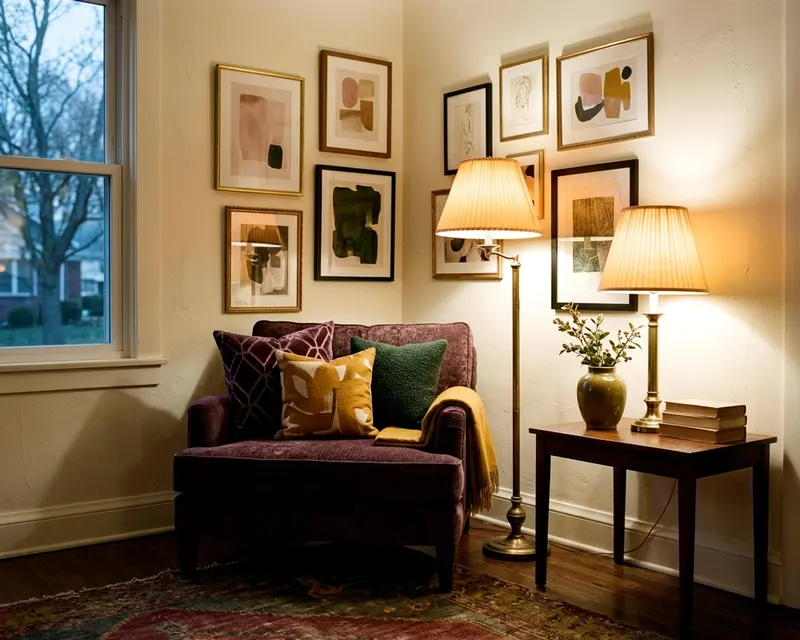
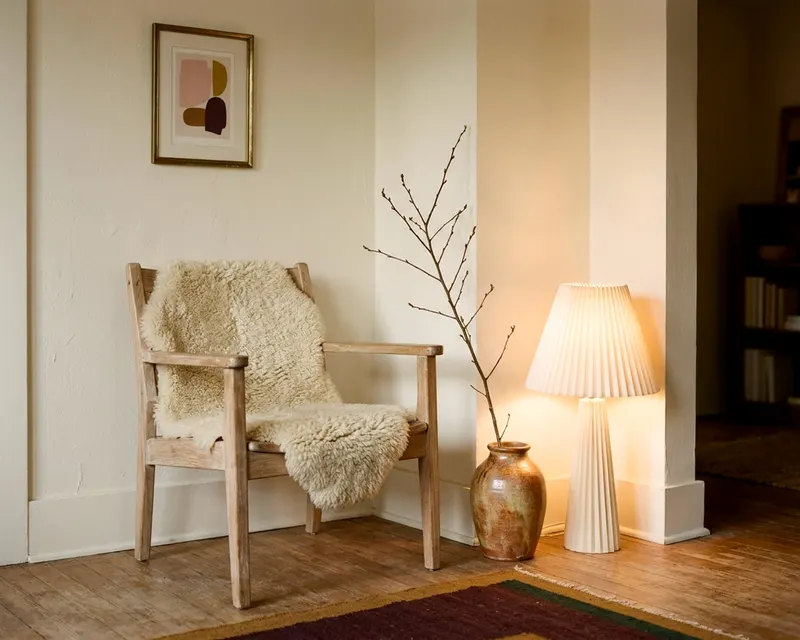
What transitional style is and how to blend old with new
Learn what transitional style interior design is and how to blend old and new decor. Mix modern shapes with classic comfort and quiet texture in any room.
- Styled by Kellan Langley
- 6 minute look
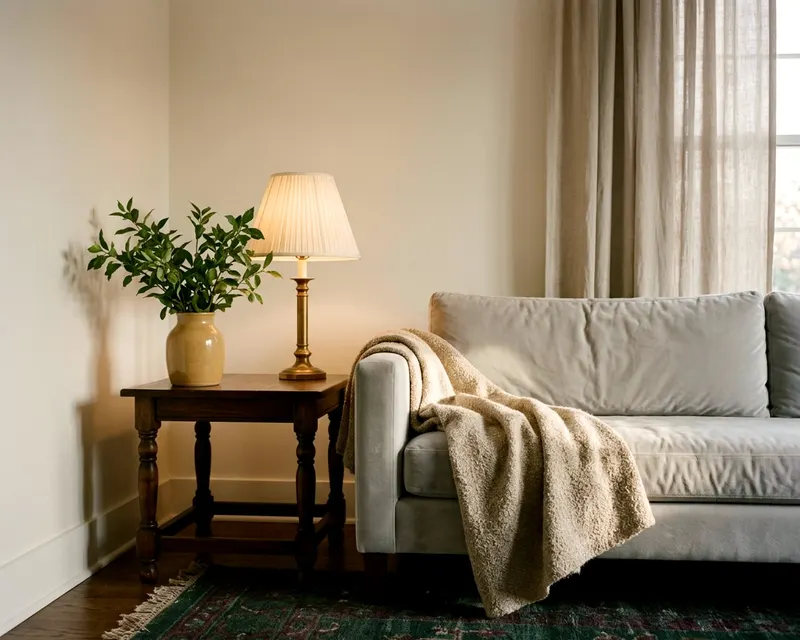
Transitional style interior design takes the carved wood and soft curves of classic decor and sharpens them with the clean lines of modern furniture. The result is a room that feels familiar but uncluttered. You get the comfort of a traditional home alongside the breathing space of a modern one.
Finding the middle ground between old and new
Traditional rooms full of dark woods and floral drapes can feel heavy. Modern rooms with metal frames and bare walls often swing the other way and feel cold. Transitional decor lives right in the middle. You take the best parts of both and leave the extremes behind.
The sofa might have deep cushions and rolled arms, while the coffee table in front of it is a sharp square of glass and steel. You mix eras to create balance. This approach works in any room of the house.
An antique wooden dresser can carry a large piece of abstract art above it. The contrast stops the room from feeling like a museum and keeps the modern art from looking harsh.
Traditional design often celebrates large collections of photos and small antiques. Modern design strips all of that away and leaves bare surfaces that can feel unlived in. Transitional decor finds the middle path. You keep a few beloved items and give them room to breathe.
A single beautiful bowl sits on the coffee table. A few framed photos rest on the mantel. You do not hide your life, but you do keep it tidy.
Building a neutral base for the room
Color takes a back seat in this design style. You want the shapes of your furniture to catch the eye. Bright colors pull attention away from those silhouettes.
Warm white, soft gray and taupe form the main color palette. You paint the walls a flat neutral and choose upholstery in solid, quiet tones. The rug grounds the space in a similar shade. When you build the base of the room, stick to these earthy neutrals.
The finish of your paint changes the mood. Matte walls absorb light and make the room feel soft. Glossy trim adds a sharp border to the soft walls. The contrast in the paint finishes adds a quiet layer of detail to the room.
The floors also form part of the neutral base. Medium brown wood floors add warmth without turning too dark or too light. If you have dark floors, cover a large area with a light cream rug. The rug brightens the base and highlights the furniture resting on it.
Mixing straight lines with soft curves
Furniture shapes define the transitional look. Traditional design favors curves, tufting and carved legs. Modern design prefers straight edges, right angles and smooth surfaces. You need both in the same room.
Look at your heavy pieces first. The bed frame or the main sofa sets the tone. If your sofa has a sharp, square back, pair it with a round side table. If your dining chairs have sweeping, curved backs, pull them up to a rectangular table.
Think about the dining room. A heavy rectangular farmhouse table is a classic traditional piece, but matching wooden chairs make the room feel dated. Instead, use modern metal chairs with curved backs. The modern chairs lighten the heavy table and soften the hard corners of the wood.
In the bedroom, the bed frame acts as the anchor. A traditional upholstered headboard with a soft curve feels welcoming. You balance it with sharp, modern nightstands. Square wooden tables with straight metal legs and a geometric lamp pull the room toward the modern side.
Using heavy texture instead of bright patterns
Traditional decor leans on thick floral prints and heavy damask. Modern rooms often skip patterns entirely. Transitional style skips the loud prints but keeps the visual interest. You do this through texture.
The materials you choose make the room feel rich. Woven rattan, nubby bouclé and smooth leather add layers to the space. You pile different fabrics on top of each other. A chunky knit throw blanket warms up a sleek leather sofa.
Velvet acts as a staple in this design style. A velvet sofa catches the light and adds deep shadows. You ground the luxurious fabric with rougher materials. A heavy wooden coffee table or a natural stone side table contrasts with the soft velvet.
Window treatments also rely on texture. Heavy damask drapes look too fussy, and bare windows look too cold. When choosing curtains for a living room, look for thick linen or soft cotton. The simple straight lines feel modern, while the heavy fabric feels traditional.
Rugs offer another great place for texture. A thick wool rug softens a hard wooden floor. A natural jute rug adds a rough, organic element to a sleek modern room. The rug ties the furniture together and warms up the floor.
Adding wood, glass and metal accents
Materials play a large part in blending the two eras. Wood brings the traditional warmth. Glass and metal bring the modern edge. You use them together to build a layered room.
Wood tones should mix rather than match. Buying a complete set of matching bedroom furniture feels too traditional. You might pair a light oak bed frame with dark walnut dressers to make the room look collected. The light oak feels fresh and modern, and the dark walnut feels rich and classic.
Glass acts as a great tool for small rooms. A solid wood coffee table stops the eye, but a glass table lets you see all the way to the sofa legs. The room feels larger and brighter. You get the function of the table without the visual weight.
Metals bring a touch of glamour. Unlacquered brass adds a warm, vintage feel to modern flat-panel cabinets. Matte black metal brings a harsh, modern edge to classic white marble counters. The friction between the metal and the surface makes the design interesting.
Limit the number of metal finishes. Pick one dominant metal for the hardware and light fixtures. You can add a second metal in small doses, like a single lamp or a picture frame. Mixing too many metals makes the room look messy.
Fixing a transitional room that feels boring
Neutral colors and safe shapes can sometimes blend into a dull room. A space without enough contrast feels flat. You have to edit the room to bring it back to life.
Look at the art on the walls. Transitional rooms need large, bold art instead of a cluttered gallery wall of tiny frames. One oversized abstract canvas makes a strong statement. The modern art breaks up the traditional furniture below it.
Lighting is often the culprit in a dull room. Standard flush mount ceiling lights offer nothing to the design. A large, sweeping chandelier draws the eye up and breaks the horizontal lines of the furniture. You should also plan a lighting layout that uses floor lamps, table lamps and ceiling fixtures.
Check your accessories next and remove the small pieces that clutter the shelves. You can style a bookshelf with a few large, meaningful items. A heavy clay vase or a stack of thick art books adds weight. These large items look intentional and calm.
Bring in a dark accent. A black side table or a dark bronze lamp shade snaps the neutral colors into focus. The dark element acts like a period at the end of a sentence. It gives the eye a place to rest.
If the room feels too stiff, add a natural element. A tall indoor tree in a simple woven basket brings life to a quiet corner. The organic shape of the branches breaks up the straight lines of the walls and furniture.
Sometimes the room just needs a personal touch. A stack of books you actually read, a framed map of a favorite city, or a worn leather chair adds soul.