How to choose and place wall sconces in any room
Wall sconces add soft light and save surface space in any room. Learn how to choose, place and wire them for a warm glow and a balanced layout.
- Styled by Louisa Kimbrough
- 7 minute look
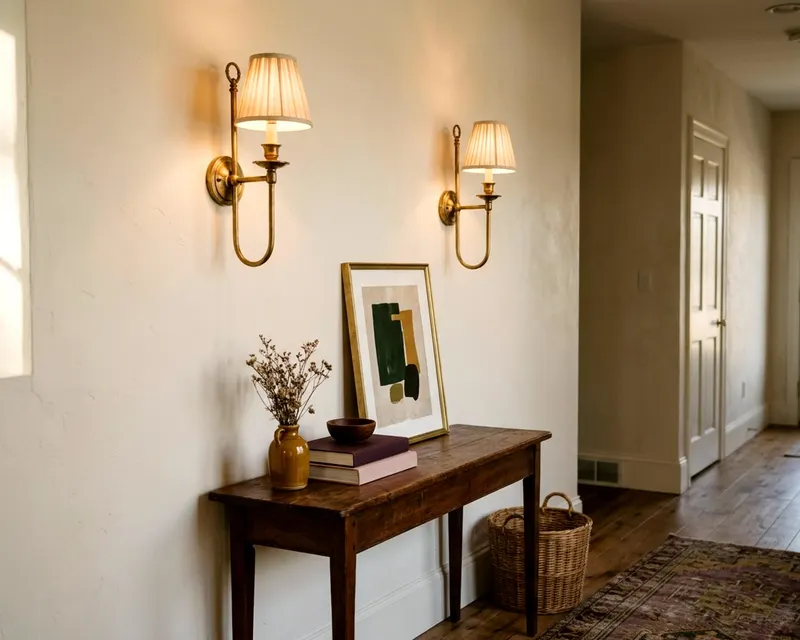
Wall sconces pull a room together by bringing light exactly where you need it. They light up dark corners without taking up floor space or crowding your tables. Picking the right fixture and mounting it at the proper height gives any room a finished, intentional look.
Why a room needs wall sconces instead of lamps
A table lamp takes up a lot of your nightstand. A floor lamp demands a clear corner and a nearby outlet. Sconces step out of the way.
The fixture mounts flat against the drywall and leaves your surfaces bare. You gain room for books, a cup of coffee and your alarm clock.
The light from a sconce also changes how the space feels. A sconce throws light directly against the wall. The paint bounces that light back into the room.
This creates a soft wash that feels gentler than a bare bulb pointing down from the ceiling. A dark room can look wider. Wall fixtures can draw the eye upward and make low ceilings feel taller.
Picking hardwired, plug-in or battery power
Power defines your choices. Hardwired fixtures connect directly to the electrical box behind the drywall. The wires stay hidden inside the wall.
The look remains clean and permanent. Have a licensed electrician run the wires and cut the holes. Hardwiring makes sense for a heavy remodel or a permanent home.
Plug-in sconces offer a fast alternative. The fixture mounts to the wall on a simple metal bracket. A power cord drops down from the base and plugs into a standard wall outlet. You can often hang these with a basic drill.
The cord stays visible against the paint. You can leave a cloth cord loose for a casual look, or you can cover the cord with a cord cover. Plug-in fixtures work well for apartment living rooms and rented spaces.
Battery-powered sconces skip the wiring entirely. They run on small rechargeable puck lights. You mount the empty sconce to the wall and attach the puck where a light bulb would normally screw in.
These fit easily into tight closets or odd corners without outlets nearby. The light output stays low. You also have to pull the puck down often to charge it.
Finding the right spot in the living room
The living room needs light spread evenly around the edges. Flank the fireplace if you have one. Place one fixture on each side of the chimney breast. The warm light draws attention to the mantel and softens the brick or stone.
Start with your sofa layout. Large sofas leave massive empty wall space above them.
Mount a matching pair of sconces over the back cushions. This gives people reading on the sofa direct light. It also frames the seating area and anchors the heavy furniture to the wall.
Corners often trap shadows. A single sconce inside a dark corner pulls the eye outward. This makes the whole living room feel larger. Add a small armchair underneath to create a quiet reading spot.
Lighting bedrooms and bathrooms
The bed is the natural center of the bedroom. Mount one sconce above each nightstand. Swing-arm designs work well here. You can pull the metal arm out to read a book and push it flat against the wall to sleep.
Overhead lights cast dark shadows on your face. Place one fixture on each side of the vanity mirror. The light hits your face directly and evenly.
Always check the moisture rating for bathroom fixtures. The bathroom fills with steam every day. Metal rusts and electrical parts can fail if they lack proper seals. Check the label and ask a licensed electrician which rating your bathroom needs.
Adding wall fixtures to hallways and stairs
Hallways feel like dark tunnels with only one ceiling light. Sconces break up the long stretch of drywall. Place them down the length of the hall.
Alternate them from left to right if the hallway is wide. Keep them all on one side if the space runs narrow.
Staircases benefit from wall lighting at night. A sconce on the landing shows you the steps without blinding you. Keep fixtures clear of the walking path and the handrail, and check local requirements for stairway lighting.
Keep the profile slim. Thick fixtures stick out too far and catch on laundry baskets or winter coats.
How high and how far apart to hang them
Getting the height right makes the fixture look natural. Bad placement makes a sconce look like a mistake.
Around a bathroom mirror, hang the fixtures close to your eye level. This blocks the shadows. Space them a few inches away from the mirror edge so the glass has breathing room.
Bedroom placement depends on your bed. Sit up against your pillows. Reach your hand out as if to turn off a switch.
Mark that spot on the wall with a pencil. Mount the sconce base just above your shoulder height. This keeps the hot bulb out of your eyes while you read.
Living room sconces sit higher on the wall. Mount them high enough to clear the heads of people sitting down. Keep them low enough to tie into the furniture below them. A good mark is near the top of a nearby window or doorway.
Spacing matters for gallery walls. Flank a large piece of art with small sconces. Find the exact center of the picture frame.
Align the middle of the sconce base with the middle of the frame. Give the art plenty of space. The light should wash the wall next to the canvas, not glare directly on the paint.
Testing the placement before you drill
Move things around before you make holes in the drywall. It takes very little effort to test a layout.
- Cut a piece of cardboard to match the size of your sconce backplate.
- Tape the cardboard to the wall with gentle painter's tape.
- Step back and look at the arrangement from the doorway.
- Sit on the nearby sofa or bed to check the height from a resting position.
- Adjust the cardboard until it looks right, and mark the final spot.
Choosing shades for a warm glow
The shade dictates how the light moves through the room. Fabric shades soften the glow. Linen and cotton diffuse the light outward in all directions.
A white linen shade feels classic and crisp against a dark wall. A dark fabric shade blocks the sideways light and pushes it up and down.
Metal shades act like funnels. A solid brass cone blocks most light from the sides. It forces a bright pool of light directly onto the floor or the ceiling. Use metal shades for reading nooks or focused task lighting.
Glass shades let the light spill everywhere. Clear glass looks sharp and modern. It also exposes the light bulb.
You have to look directly at the bright filament. Frosted glass offers a gentler choice. It hides the bulb and spreads a soft, even mist of light across the room.
Selecting bulbs and adding dimmers
The bulb changes how the fixture feels. Bare bulbs inside clear glass shades throw harsh shadows across the room. Choose a bulb with a white frosted coating to cut the glare.
The color of the light matters just as much. Bright blue light feels like a waiting room. Yellow light feels like a candle.
Look for warm white bulbs. This tone mimics late afternoon sun. It makes wood furniture look rich and keeps paint colors true. Knowing what light color temperature to use takes the guesswork out of the hardware store aisle.
Put every wall sconce on a dimmer switch, and check that the bulbs are labeled dimmable. Dimming lets you change the room from bright reading light to a faint evening glow. Plug-in sconces often come with a dimmer dial on the backplate or the cord. Hardwired fixtures need a separate dimmer switch installed on the wall by a licensed electrician.
Mixing sconces with ceiling fixtures and lamps
Sconces work best as team players. A room needs multiple sources of light to feel balanced and comfortable. You can plan a lighting layout that mixes the wall glow with overhead fixtures and floor lamps.
Match the scale of the different lights. A giant crystal chandelier overwhelms tiny brass wall sconces. Pair heavy ceiling fixtures with substantial wall fixtures.
Keep the finishes complementary. You can mix brass sconces with a black iron ceiling pendant. The contrast keeps the room interesting without looking messy.
Use sconces to fill the empty gaps. If the ceiling light handles the center of the room, let the sconces handle the edges.
Turn off the big overhead light at night. Leave the sconces on. The room shrinks down into a quiet, calm space.

