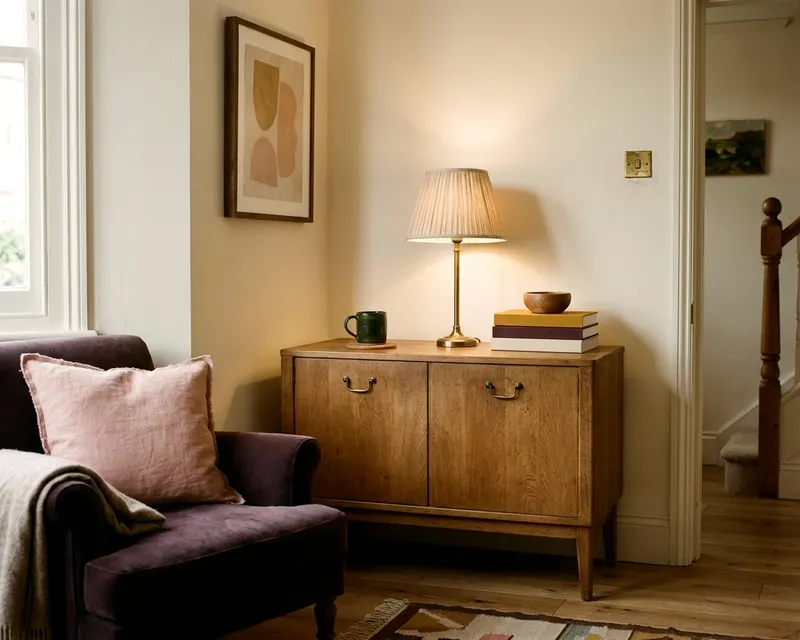
Living room ideas that work in an apartment you rent
Finding good living room decorating ideas for apartments means working with the space you have without risking your security deposit on paint or drills.
- Styled by Lenora Kittredge
- 9 minute look
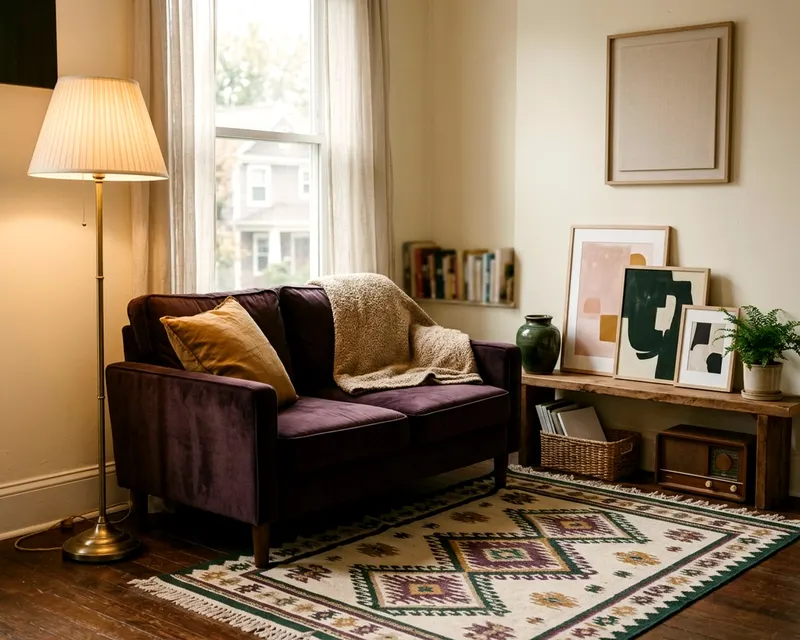
Renting limits what you can bolt to the walls or paint over. Finding living room decorating ideas for apartments means bringing in pieces that look permanent but pack up easily. You can shape a plain white box into a comfortable room using only layout, rugs, lighting and textiles.
Work with the floor plan you have
The sofa dictates the room. Push it against the longest solid wall if space is tight. Float it in the center if you have an open layout.
Walking paths need to stay clear. People need room to walk past the coffee table without turning sideways. A good arrangement respects the doors and windows.
Draw the room on paper before moving heavy pieces. See where the natural walkways fall. Place the largest seating where it feels most anchored.
Then arrange the chairs facing the sofa to spark conversation. Decorating from a bare floor forces you to look at the room empty. You notice the awkward radiator or the off-center window.
Finding the natural focal point
Every room needs a center of attention. Many apartments lack a fireplace or a large window.
You have to create the focal point yourself. A long media console with a television above it anchors one wall. Arrange the seating to face this area.
A large piece of art works just as well. Hang a massive canvas on a blank wall. Arrange the sofa below it.
The eye goes straight to the art when you walk in. The room feels purposeful and grounded. A strong focal point distracts from cheap baseboards or generic doors.
Managing the traffic flow
Traffic flow decides everything. Leave ample room to pull out chairs or open cabinet doors.
The coffee table sits close enough to reach a drink. It should not trap your legs. Move the furniture until the room breathes.
Keep the entry clear. Dropping keys and mail requires a landing zone. A slim console table behind a floating sofa creates a makeshift foyer.
In a narrow room, keep all the bulky furniture on one side. This creates a straight walking path on the other side.
Anchor the room with a rug that fits
The rug holds the furniture together. A tiny rug makes the room look cheaper and smaller. Aim for a rug large enough that the front legs of the sofa and chairs rest on it. This creates a visual boundary for the sitting area.
Color starts at the floor. A dark rug grounds a bright room. A light rug lifts a dark room. Match the tones to your major furniture pieces.
Avoid bright white rugs in high traffic areas. Spills happen. A patterned rug hides spills and scuffs.
Sizing the rug for the space
Measure the seating area before you buy anything. The rug must extend past the edges of the coffee table. The chairs should not wobble unevenly on the edge of the fabric. A large rug pulls floating furniture into a single cohesive unit.
In a room with an open kitchen, a distinct rug separates the lounging space from the cooking space. It tells the eye where the living room begins and ends.
Use a flatweave rug in the dining area. Use a plush rug in the living space.
Layering over bad carpets
Landlords often leave generic tan carpet or scratched wood. Cover it with a heavy wool or thick synthetic rug.
The thick pile absorbs sound and softens the floor. It also protects the existing floor from scratches. Losing your deposit over a scratched floor hurts.
Layering a thinner vintage rug over a neutral jute base adds texture. It feels rich and collected. Rug pads matter.
A thick pad stops the top rug from slipping. It adds extra cushion under your feet. Thin flatweave rugs tend to bunch up under chair legs. A heavy pad solves the problem.
Layer lamps instead of turning on the ceiling fixture
The overhead dome light casts harsh shadows. Leave the switch off. Warm light comes from table lamps, floor lamps and plug-in sconces.
Spread the light sources around the room at eye level. This fills the corners and makes the space feel larger.
A floor lamp by the armchair gives good reading light. A small lamp on the media console balances the glow from the television. Use warm white bulbs to keep the mood relaxed. Cold blue light belongs in a hospital.
Building layers of light
Three layers of light change a plain rental. Ambient light fills the room. Task light helps you read.
Accent light highlights a piece of art or a plant. You need all three to make a room feel finished.
Plug-in wall sconces flank a sofa well. Many mount on simple hooks instead of hardwiring, so check the weight rating. Drop the cord straight down the wall.
It looks industrial and honest. Plug-in dimmer switches are an easy add-on. Check the label to make sure one suits your lamp and bulbs.
Choosing the right lampshades
Paper shades diffuse light softly. A large paper lantern placed on a low table gives off a soft glow. The light scatters gently across the whole ceiling. It warms up flat white paint.
Metal shades push light straight down. Use metal shades for reading or working. Use fabric or paper shades for general room lighting.
A white fabric shade brightens the whole corner. A dark shade creates a narrow pool of light to read by.
Hang curtains and add soft textiles
Heavy drapes hide cheap metal blinds. Landlords love plastic blinds. You do not have to look at them.
Install a tension rod inside the window frame if the lease forbids drilling. Slide linen or velvet panels onto the rod. The fabric softens the hard edges of the window.
Let the panels fall all the way to the floor. Short curtains chop the wall in half and make the ceiling look low. Choosing living room curtains takes patience. Buy panels wide enough to cover the window with plenty of folds.
Hanging drapes without drills
Tension rods work well for light fabrics. Twist the rod until it wedges tightly inside the window frame. Hang sheer curtains to filter harsh afternoon sunlight. The room stays bright but feels private.
A tension rod might slip under heavy velvet drapes. Buy a freestanding curtain frame instead.
These metal frames press against the floor and ceiling. They hold heavy rods without a single wall anchor. You take the whole frame with you when you move.
Mixing fabrics on the sofa
Add a heavy throw blanket to the back of the sofa. Throw pillows bring in color without the commitment of paint. Mix velvet, linen and woven cotton. The contrasting textures make the sofa inviting.
Swap pillow covers with the seasons. Crisp linen feels right in summer. Heavy wool works well for winter.
Changing covers costs less than buying new pillows. Keep the pillow inserts plump. A flat pillow looks tired.
Choose storage that doubles as furniture
A cluttered room feels chaotic. Storage pieces hide the mess. An apartment lacks enough closet space for everything you own. A long media console holds the television and hides routers, cords and extra blankets.
Look for pieces with solid doors. Glass doors force you to keep the shelves tidy. A vintage trunk makes a beautiful coffee table.
Lift the lid to stash out-of-season coats or board games. A storage ottoman serves as a footrest and a hiding spot.
Hiding the daily clutter
Baskets gather loose items quickly. A large woven basket next to the sofa holds extra pillows. A small tray on the coffee table corrals remotes and coasters. Grouping small items makes them look planned.
Vertical storage draws the eye up. A tall cabinet takes up very little floor space. It holds a surprising amount of stuff.
Push heavy pieces flush against the wall. Use heavy books on the bottom shelf to stabilize a tall bookcase. Keep the heaviest items low, and follow the maker's instructions for securing a tall bookcase.
Styling visible storage
Open shelves demand organization. Treat an open bookcase as a display space. Use a tall bookcase to display beautiful items and store books. Stack books horizontally and vertically.
Style the bookshelf with space between the objects. Give the eye a place to rest. Group items by color for a calm look.
Place a small plant next to a stack of books. The organic shape of the leaves breaks up the straight lines.
Display art without damaging the walls
Blank walls make a rental feel temporary. Art fixes that immediately. Many leases ban heavy drilling or large nails.
Removable adhesive strips can hold lighter frames, so check the weight limit on the package. Press the strips firmly and let them set before hanging the art.
The large canvas rests against the wall on top of a credenza. Leaning art looks relaxed and intentional. A gallery wall fills a large empty space.
Use lightweight frames with acrylic fronts instead of glass. They weigh less and stick to the wall easily.
Using removable adhesive strips
Clean the wall the way the package directs before applying any adhesive. The strips fail if the wall is greasy. Follow the package directions exactly.
Wait as long as the package directs before hanging the frame. The adhesive needs time to bond.
When you move out, pull the tab straight down slowly. The strip should stretch and release the wall, though paint can still peel. Do not pull outward.
Pulling outward can damage the wall. Practice on a hidden spot first.
Leaning large frames
Scale matters. A tiny frame on a huge wall looks lost. Hang one oversized piece behind the sofa.
Large art makes a small room feel grand. Tape the dimensions on the wall with painter's tape before buying the art.
A heavy mirror can simply lean on the floor. A massive floor mirror leaning against the wall acts like a second window.
It brightens the whole apartment. Put a non-slip pad under the frame edge. The pad helps keep the mirror from sliding on a slick floor, and a tall heavy mirror should be secured following its instructions.
Make an odd shaped room feel intentional
The weird alcove feels useless at first. Turn it into a small desk area or a reading nook. Old apartments have strange layouts and exposed radiators.
A radiator cover adds a shelf for books and hides the metal pipes. Paint the cover to match the walls.
Float the sofa away from angled walls. A sofa pushed against a slanted wall looks forced. Put a tall plant in an empty corner.
The leaves soften the hard angles of the room.
Filling awkward corners
Every apartment has a dead corner. Give it a job. Place a small round table and a comfortable chair in an empty bay window.
It becomes a quiet spot for morning coffee. Add a narrow console behind a floating sofa to fill empty floor space.
Low ceilings plague many basement apartments. Hang vertical art to draw the eye upward. Choose low profile furniture.
A low sofa makes the ceiling feel higher. Avoid tall floor lamps that touch the ceiling. Keep the visual weight near the floor.
Bouncing light with mirrors
Dark rooms feel smaller than they are. A large mirror reflects light into dark spots. Lean a heavy floor mirror opposite a window. It captures the natural daylight and pushes it deep into the apartment.
Paint is usually forbidden. Work with the white walls. Treat them as a gallery backdrop. Bring color in through the rug, the art and the upholstery.
A vibrant green velvet sofa sings against a plain white wall. Wood tones warm up a sterile box. Bring in walnut or oak side tables.