Which wood finish is on your furniture and how to care for it
Find out which wood furniture polish your pieces actually need and how to care for different finishes to keep them looking their best over the years.
- Styled by Lenora Kittredge
- 5 minute look
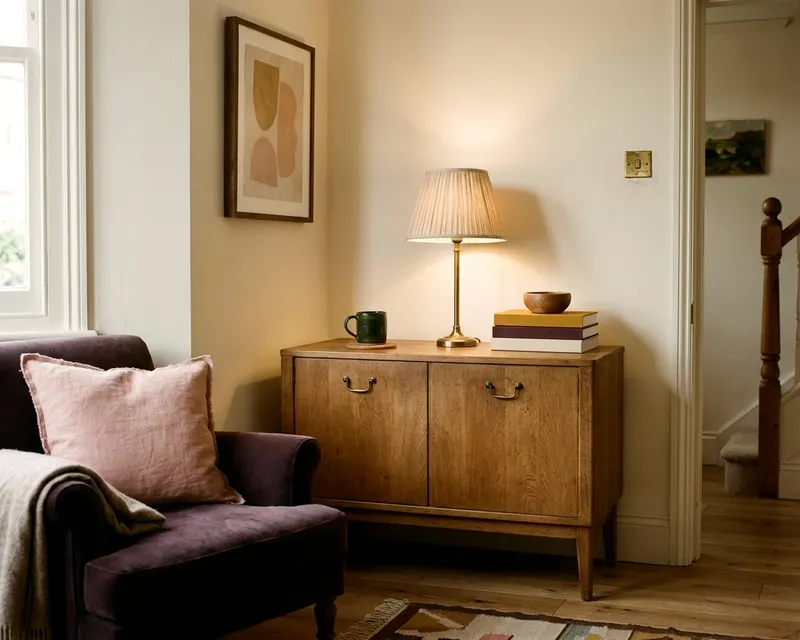
The right wood furniture polish for your sideboard depends on the finish that seals the timber. Many pieces need little more than a dry duster and steady room humidity. You only need to apply fresh wax or oil if the original coating has worn thin.
Why the finish decides how you care for a piece
Two pieces of the same wood can need different care. The finish protects the timber from dirt and moisture. Wax gives a soft sheen and needs only occasional buffing. Varnish creates a hard shell.
Oil sinks into the wood grain for a flat, natural look. French polish offers a high gloss but is easily marked by heat and liquids. A close look under a bright lamp gives some clues about the coating.
A thick and clear layer is often modern varnish. A glossy and deep shine on an antique may be French polish. A soft, slightly dull surface may be wax. If you cannot tell, treat it as an original finish and stick to dry dusting.
Knowing the finish stops you from ruining a good piece with the wrong polish.
Dust with a dry cloth and skip the spray polish
Dust settles on everything. A clean, dry duster removes it gently, and feather dusters are best avoided because they can scratch. You rarely need actual wood furniture polish to keep a room looking clean.
A simple dry cloth is the safer choice. A soft brush works well for carved details. Work the brush into the corners where dust gathers.
Buy a good quality beeswax if a waxed piece looks dry. Apply it sparingly with a soft cloth. Buff it with a second clean cloth. Polish only when needed, as the Institute of Conservation advises doing so infrequently.
Keep wood out of strong sun and away from radiators
Placement matters just as much as cleaning. The Institute of Conservation advises keeping furniture out of direct sunlight and away from radiators because the air nearby is very dry. Dry air near a heat source can dry out the timber.
Very dry air can dry out and shrink the wood. Try to keep valuable pieces out of direct sunlight, and consider a blind or UV filter on the window.
Close curtains or blinds when the sun is strongest. Leave a clear gap between a wooden cabinet and a radiator.
The same goes for other sources of heat, including underfloor heating, because they dry the air around furniture.
Keep the room's humidity steady
Wood behaves a lot like a sponge. It expands when the air is damp and shrinks when it dries out. Very low humidity is the main worry, as it dries out and shrinks most timbers. The Institute of Conservation gives a relative humidity range of 40 to 60 percent for furniture.
Many UK homes may sit in this range in mild weather, while winter heating can dry the air. A small hygrometer helps you track the moisture in the room.
A humidifier can put moisture back into the air if the hygrometer shows the room is too dry.
Aim for a stable environment, as the Institute of Conservation recommends. Avoid putting wooden pieces in damp basements or unheated conservatories, where conditions can swing widely.
Protect tops from water, heat and glass
Water and heat can mark waxed and French polished surfaces, and prevention is easier than repair. The Institute of Conservation says to use coasters or a glass top to protect surfaces from water and other liquids.
Felt pads under heavy lamps stop the bases from scratching the polish. A heavy table lamp casts a beautiful glow, especially if you plan a lighting layout carefully. Just make sure the base has soft protection.
Wipe up spills the moment they happen. Use a dry cloth to blot the liquid rather than rubbing it around. Hot plates need thick mats underneath them.
Heat can pass through thin coasters and mark the finish below. Use a tablecloth for dinner parties to protect dining tables. A heatproof mat under the cloth helps protect the finish from hot serving dishes.
Deal with ring marks and light scratches gently
Accidents happen in a lived-in house. A white ring often means the moisture is trapped in the wax layer, not the wood itself.
Rubbing the mark gently with a soft cloth may warm the wax enough to release the damp. Black rings are much harder to fix. The dark colour usually means water has breached the finish and soaked into the timber.
Fixing a black ring may need a professional to refinish the top. Light scratches in wax can fade with a fresh coat. Rub a tiny amount of beeswax into the scratch.
Buff it firmly until the finish blends. Oil finishes can be forgiving too, but ask a restorer which oil suits the piece before you add any. Varnish is harder to repair.
A deep scratch in varnish may need a professional repair. Always try the gentlest fix first.
If a mark will not shift, a restorer can advise before you try anything stronger.
Think before stripping an original finish
An old chest of drawers carries the marks of its history. This built-up surface is called patina. Patina gives antique furniture its soft and mellow colour.
Stripping it away removes the character and can affect the value. You cannot buy patina in a tin. A dirty piece often just needs a gentle clean before you decide to strip it.
Start with a clean, dry cloth. If the grime will not shift, ask a restorer before using any solvent on an old finish.
Test any cleaning method on a hidden spot first.
Stripping involves harsh chemicals and messy scraping. Keep it as an absolute last resort. A finished living room looks much richer with a mix of old and new surfaces.
When French polishing is the answer
French polish gives mahogany and walnut a glassy and deep shine. It involves rubbing many thin layers of shellac into the wood. The process takes immense skill and patience. The Institute of Conservation says French polishing should only be carried out by specialists.
A badly damaged antique needs an expert eye. A specialist can often remove damaged layers and match the colour closely to the rest of the piece.
Booking a specialist for French polishing can bring the piece back to its original look, and careful use helps the finish last. Keep hot mugs and damp vases well away from it.
A good French polisher knows how much shellac to apply and when to stop. Trust their advice on how to care for the piece once they finish.