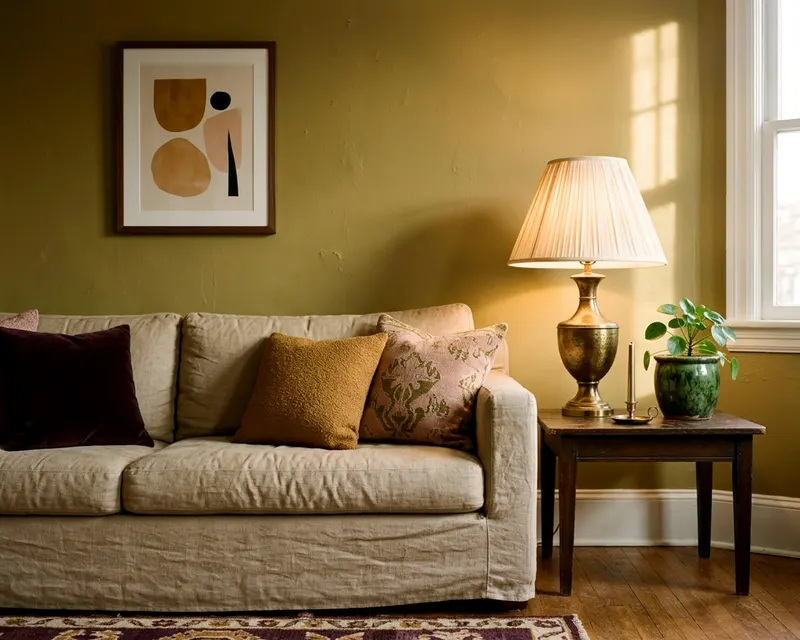
How to decorate a living room from bare floor to finished
Learn exactly how to decorate a living room from a bare floor to a finished space with this clear sequence for furniture, rugs, lighting and textiles.
- Styled by Lenora Kittredge
- 9 minute look
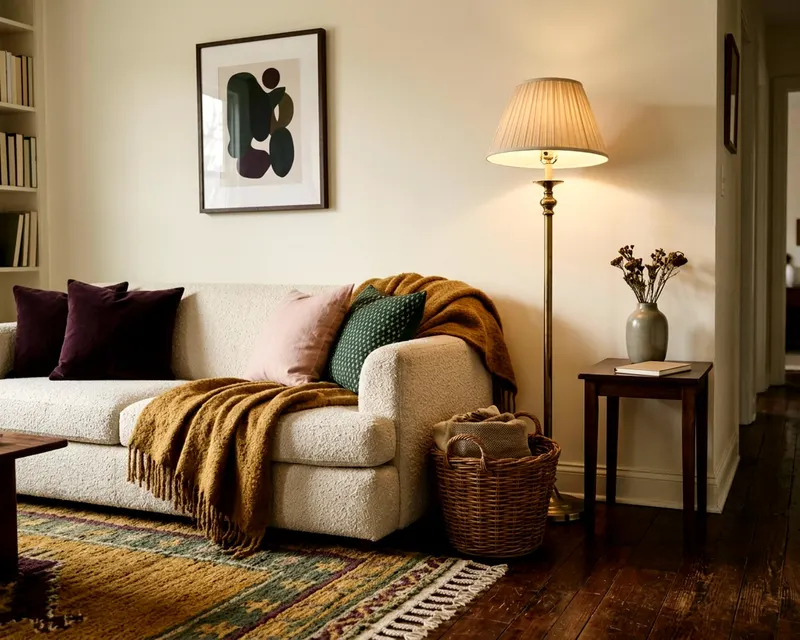
Building the room from the largest pieces down to the smallest details prevents expensive mistakes and leaves you with a comfortable, finished space. Start the project with a strict order of operations. You want to plan the purpose, place the large furniture, add rugs and lighting, and finish with soft textiles and art.
Decide how the room is really used
A living room only works well if it serves the people living in it. The formal parlor has become less common in American homes. Your living room might be a television room, a playroom or a quiet reading space.
Be honest about your habits. A crisp white linen sofa looks terrible covered in muddy paw prints, and a delicate glass coffee table fails fast in a house with toddlers.
Count the people who need a seat on a typical Tuesday night. A large family requires a different seating arrangement than a single professional who hosts large weekend parties. Write down the primary things you do in the room. Every choice you make from here on must support those activities.
Factor in storage early in the process. Board games, extra blankets and video game controllers need dedicated homes. Closed storage keeps these items hidden but easily accessible. Open shelving works best for display items, not everyday clutter.
Plan the layout around a focal point and walkways
The layout dictates how people move through the space and where they look. Find the natural focal point of your room. A fireplace, a large picture window or a television usually anchors the space. Point your primary seating at this focal point.
Walkways need clear paths. Leave plenty of empty floor space for major traffic routes, because a tight squeeze makes the whole room feel cramped. Do you have a small space?
Push the main seating closer to the center of the room. A sofa shoved against the wall often highlights a lack of square footage. Pulling furniture inward creates a cozy conversation zone.
Floating furniture away from the walls is a reliable design trick. A few inches of breathing room behind a sofa makes the room feel airy. Use painter's tape to map out the furniture on the floor.
The tape gives you a visual sense of scale before you buy a single piece. Walk through the taped paths. Adjust the tape if you find yourself sidestepping an imaginary coffee table.
Secondary furniture fills out the seating arrangement. Two armchairs placed across from the sofa encourage people to talk. A coffee table sits close enough to the sofa edge for easy reach. This short distance lets you grab your drink without knocking your knees.
Choose the sofa and big pieces first
Big pieces dominate the room and take up the most visual weight. The sofa is the most important purchase you will make for the living room. Buy the best quality sofa you can afford. A sturdy frame and resilient cushions tend to outlast cheap alternatives.
Measure your room carefully before looking at sofas. A massive sectional swallows a narrow apartment living room. A standard sofa with exposed legs feels lighter and fits well in tight spaces.
Consider the upholstery fabric carefully. A performance velvet or tightly woven canvas hides stains and resists pet snags.
Test the seat depth before you commit. A deep seat encourages lounging and naps. A shallow seat keeps you upright and works well for formal conversation.
Back cushions also matter. Tight back sofas look neat and require no fluffing. Loose back cushions offer a relaxed look but need regular maintenance to hold their shape.
Sideboards and media consoles come next. A wide television needs an even wider console. The console should extend past the screen on both sides.
A heavy wood cabinet grounds the room and hides unsightly cables. Wait to buy smaller side tables until the main seating is in place.
Consider the legs of the furniture. A room full of chunky, blocky pieces feels heavy. A room full of spindly metal legs feels nervous. Mix the foundation styles.
Pair a solid, skirted sofa with thin metal accent tables. This contrast keeps the room visually balanced. You might need living room paint colors that work with your major upholstery.
Pick the fabric first. Matching paint to a specific fabric is easy. Finding a sofa to match a specific paint color is frustrating.
Size the rug to anchor the seating
A rug connects all the floating pieces of furniture into one cohesive zone. A common decorating mistake is buying a rug that is too small for the space. A tiny rug floating under the coffee table makes the room look cheap, while a large rug makes the entire room feel bigger.
Ideally the front legs of your sofa and chairs sit on the rug. A large area rug fits most average US living rooms well. An even larger room-sized rug works better for open floor plans. The rug should extend well past the sides of the sofa.
Leave a wide border of bare floor around the edges of the room. A gap between the rug and the baseboards shows off hardwood floors. Flatweave wool rugs offer durability and clean up easily. A thick shag rug feels great underfoot but traps dust and pet hair.
Patterned rugs hide dirt and traffic wear beautifully. A traditional Persian motif or a faded vintage style forgives minor spills. Solid light rugs require strict rules against shoes in the house.
Layering rugs offers another option. A large, inexpensive jute rug covers the floor, while a smaller patterned rug sits on top for color. This strategy saves money and adds great texture to the room.
Add light at three heights
Relying on a single ceiling fixture leaves a room feeling flat and harsh. Good rooms use three layers of light to build warmth and depth. The layers consist of overhead light, task light and accent light.
A ceiling fixture provides general illumination. Put this main light on a dimmer switch. You want bright light for cleaning and low light for entertaining. A flush mount or a modest chandelier works well in rooms with standard ceilings.
Table lamps and floor lamps bring light down to human level. A floor lamp next to an armchair creates a perfect reading spot. A pair of table lamps on a console offers soft ambient light.
The bottom of the lampshade should sit at average eye level when you are seated. Use warm white LED bulbs everywhere in the room. This color temperature mimics the warm glow of traditional incandescent bulbs.
Accent lighting highlights specific features in the room. A picture light mounted above a large painting draws the eye. Small uplights hidden behind a potted plant cast interesting shadows on the ceiling. Plug-in wall sconces offer a fast way to add accent light without an electrician.
Mount a pair of sconces on either side of a fireplace to create a handsome focal point. Keep all the light bulbs on the same color temperature. Mixing cool white and warm white bulbs in the same room can look uneven.
Layer textiles for comfort and texture
Textiles add texture, color and comfort to the hard edges of furniture. Window treatments make a room look finished. Hang your drapes high and wide.
Install the curtain rod close to the ceiling line and extend it past the window frame on both sides. This placement makes the window look taller and lets in maximum natural light.
Choose drapery fabrics that match the mood of the room. Heavy velvet drapes bring drama and insulation to a drafty room. Unlined linen panels flutter in the breeze and keep a sunny room feeling casual.
Use proper drapery hooks and rings rather than threading the rod directly through the fabric. Hooks allow the curtains to slide smoothly and hang in neat folds.
Pillows allow you to experiment with pattern and color safely. A floral print or a bold geometric pattern works on a pillow but might overwhelm a whole sofa. Use a mix of sizes.
A large square pillow sits nicely in the corner of a standard sofa. A smaller lumbar pillow supports your lower back on an armchair.
Swap out stiff synthetic pillow inserts for feather down or a high quality down alternative, which molds comfortably behind your back. Pillows need a soft core. Throw blankets draped over the arm of a chair soften the lines of the furniture. A chunky knit wool throw adds visual interest and keeps you warm on winter nights.
Finish with art, plants and personal objects
Empty walls make a room feel abandoned. The art you choose gives the room its personality. Hang your pictures at average eye level. A single large canvas makes a stronger impact than a dozen tiny frames scattered across a wall.
If you have a collection of small pieces, group them into a tight gallery wall. Treat the whole group as one large piece of art. A large mirror hung opposite a window reflects natural light back into the room. Keep frames simple and consistent.
Do not feel pressured to fill every empty wall. Negative space gives the eye a place to rest. When you do hang art, frame it properly. A wide mat board makes an inexpensive print look custom.
Shop at local thrift stores for unique frames and vintage landscapes. A room full of generic store-bought art feels cold. A mix of personal photographs, original pieces and vintage finds gives the room soul.
Accessories tell the story of the people who live there. A stack of favorite books, a ceramic bowl or a piece of driftwood belong on coffee tables and shelves.
Take the time to style a bookshelf so the objects look intentional. Group objects in odd numbers. A cluster of three items looks more natural than a pair. Mix different heights and materials.
A tall brass candlestick looks good next to a low wooden bowl. Plants bring life to static corners. A tall fiddle leaf fig or a trailing pothos softens hard architectural lines.
Step back and edit before buying more
A room breathes better with a little empty space. Walk into your living room and take a quick photo with your phone. The camera flattens the room and highlights awkward clumps of furniture. You will spot a crowded tabletop or a missing lamp immediately.
Remove a few small items from the room. A cluttered room feels chaotic and shrinks the visual space. Leave a few surfaces completely bare. Let the room settle for a few weeks before you buy anything else.
You might realize you need a small drink table near a chair. You might find you need another reading lamp. Small gaps become obvious as you use the space every day. Let the room evolve slowly based on your actual needs.
Living rooms are never completely finished. Seasons change and your needs shift. Swap out heavy wool throws for light cotton blankets when the weather warms up. Move a side chair to a different corner.
Rearranging what you already own costs nothing and revitalizes the space. Trust your eye. If a corner feels heavy, remove an object.
If a wall feels blank, add a mirror or a plant.