9 ways to decorate an empty corner of the living room
Fill that awkward empty space with these practical decor ideas for a living room corner, from a cozy reading chair to a tall sculptural floor lamp.
- Styled by Lenora Kittredge
- 8 minute look

An empty corner makes a room feel unfinished. A single purposeful piece of furniture turns that dead space into a focal point. As you decorate a living room, fill the gaps with a tall lamp, a gallery of art or a reading chair. The trick involves matching the scale of the object to the size of the corner.
1. A reading chair with a floor lamp
The chair grounds the corner. A low armchair with a wide seat works beautifully on a large bare floor. Slip a small wooden side table next to the armrest to hold a coffee cup or a heavy book. Choose a velvet or thick linen fabric to soften the hard angles of the walls.
The floor lamp provides the necessary height. Position a metal reading lamp just behind the chair shoulder. A downward metal shade keeps the light focused on the page and cuts glare across the room.
A thick rug adds texture underfoot. Slide a heavy wool rug halfway under the chair legs. This connects the seat to the rest of the floor plan. It separates the corner from the main seating area while keeping the overall style consistent.
2. A tall plant or a group of plants at different heights
Houseplants bring organic shape to rigid architectural angles. A large indoor olive tree fills a corner completely. Stand the heavy pot inside a woven grass basket to hide the plastic nursery container. Drape a little Spanish moss over the top of the soil for a clean finish.
A tight corner requires a slender profile. A tall snake plant grows straight up and often copes with lower light. Got a wider corner to fill? Group three different plants together, putting the tallest in the back and stepping the shorter ones forward.
Staggered plant stands create great vertical interest. A simple wooden stool lifts a trailing pothos off the floor, allowing the long leaves to cascade down. Place a small fern next to the stool legs to fill the gap at the bottom.
3. A corner shelf or narrow bookcase
The shelf uses vertical space without eating up the floor, and a leaning ladder bookcase often feels airy. Got a heavy collection of hardcovers? A solid wood bookcase handles the weight and looks much more traditional. Paint the shelves the same color as the wall to make the furniture blend in.
Mix your display objects to keep the shelves interesting. Stack a few thick books horizontally to act as a base for a heavy clay bowl. Lean a framed photograph against the back panel and add a small trailing plant on the top tier. You want to style a bookshelf so it looks balanced.
Leave some negative space on every single shelf. Pack a shelf too tight and it just looks messy. A single brass object on an empty wooden shelf catches the eye better than a crowded row of small trinkets.
4. A round bistro table and two chairs
A small table turns an empty corner into a dedicated spot for morning coffee. A round marble top bistro table softens the sharp corners of the room. Push the table back near the walls and pull the chairs out slightly. A heavy pedestal base helps keep the table steady.
The chairs should have a very light footprint. Wooden dining chairs with open spindle backs work well. Heavy upholstered dining chairs tend to crowd a small space. Stick to plain wood or metal frames to keep the arrangement feeling open.
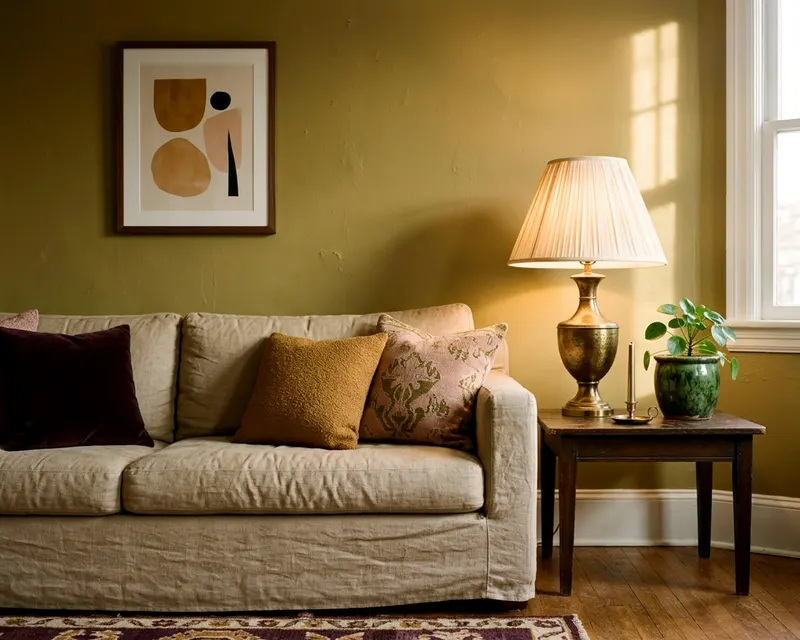
Add a small lamp right on the table. A short ceramic table lamp with a pleated shade brings a warm glow at night. Keep the tabletop clear of clutter so you can actually sit down and use it.
5. A large leaning mirror
The mirror reflects natural light back into the room. A tall floor mirror can make a tight living room feel larger. Choose a heavy wood frame to keep the glass grounded firmly against the baseboard. A brass or silver frame adds a nice flash of metal to a dull corner.
Position the mirror carefully. You want to reflect a window or a piece of art, not a messy hallway or a blank ceiling. Angle the glass slightly upward to bounce light around the space.
Secure the top edge to the wall with hardware rated for its weight. A heavy leaning mirror can tip, so anchor it to the wall following the mirror maker's instructions. Hide the nylon strap right behind the top of the frame. Place a woven basket on the floor next to the glass to soften the hard edges.
6. A sculptural floor lamp on its own
The lamp acts as a piece of functional art. An arc lamp has a heavy stone base and reaches out from the corner to light the main sofa. A paper lantern floor lamp glows from top to bottom and casts a very soft light. You can leave the rest of the corner entirely empty and let the lamp stand alone.
Scale matters a lot here. A thin metal stick lamp gets completely lost in a large corner. Choose a fixture with a wide shade or a thick base to hold the space. The power cord needs to reach the outlet without stretching across the walking path.
Match the bulb exactly to your other fixtures. A soft white light keeps the room feeling calm. You want the light color temperature to match the overhead fixtures so the room feels unified.
7. A bar cart or small cabinet
The cart brings a strong sense of hospitality to the room. A brass trolley on wheels holds glass bottles ready for the evening. Park the cart flat against one wall of the corner. Line up your tallest bottles in the back and place short crystal glasses in the front.
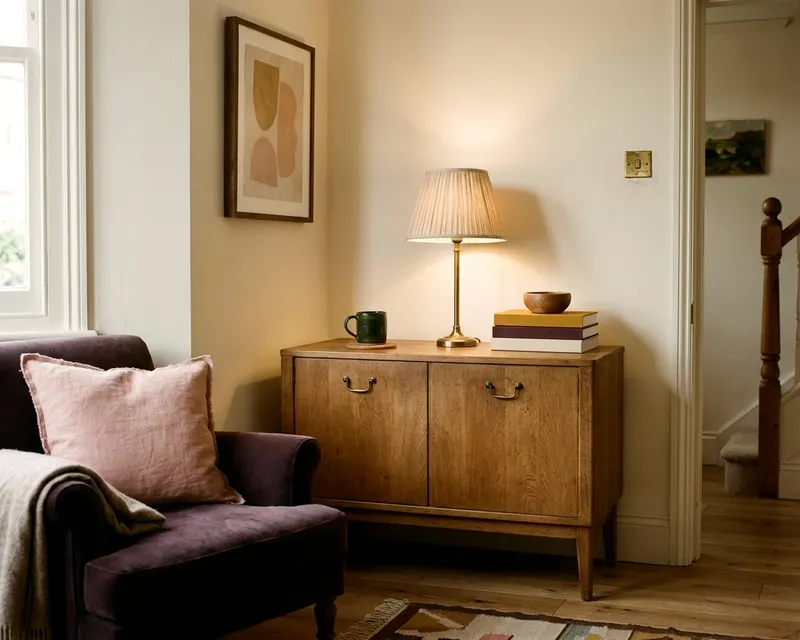
A closed cabinet hides the mess. A low wooden console stores board games and extra throw blankets, keeping them completely out of sight. Put a tray on top. The tray organizes a few bottles and a stack of paper napkins.
Dress the wall space directly above the cabinet. Hang a small painting or a framed print over the tray. Keep the art hung low. The low height connects the frame visually with the objects on the furniture below it.
8. A desk nook for a laptop
The desk turns dead space into a practical small office. A floating wooden desk mounts to the wall with the anchors its maker specifies and keeps the floor clear. A narrow console table works just as well if you prefer traditional legs. Pick a wood finish that matches your coffee table or your flooring.
The chair needs to look good from the back. A wooden dining chair blends with living room furniture far better than a black plastic office chair. Tuck the seat all the way under the desk when you finish working.
Hide all the power cords and chargers. Tuck a power strip against the underside of the desk surface, and follow its instructions for mounting and load. Use a small ceramic bowl on the desk to hold loose pens and paperclips.
9. A gallery of art that wraps the corner
The art draws the eye right through the corner. Hang framed prints on both intersecting walls to make the sharp corner disappear. Mix black frames, bare wood frames and unframed canvases for a relaxed look. Match the mat boards to keep the collection feeling intentional rather than accidental.
Start with the largest piece you have. Hang a heavy canvas right at eye level on the longer wall. Build outward from that center point. Space the frames a few inches apart so the tight arrangement feels deliberate.
Take the art down low toward the floor. Most people stop hanging pictures halfway down the wall. Continuing the frames toward the baseboard fills the whole vertical space. This works beautifully above a bare wood floor.
Measure the floor space first
The amount of floor space dictates your best options. Measure from the corner out to the edge of your nearest window or sofa. A wide gap welcomes a reading chair or a round bistro table. A tight gap requires something strictly vertical.
Keep a clear path for walking at all times. You never want to squeeze past a sharp table edge just to sit on the sofa. Leave empty floor space around the new furniture so the room breathes. If the corner sits right next to a doorway, stick to flat wall art or a shallow shelf.
Test the footprint before you buy anything. Lay a towel or a few flattened cardboard boxes on the floor to show exactly how much space a new chair or cabinet will consume. Walk past the cardboard a few times. If your foot hits the edge, the piece is too large for the corner.
Match the idea to what the room needs
Think about what the room needs most. A dark room benefits from a tall mirror or a bright floor lamp. A room with huge blank walls needs a gallery of art. A room that feels stiff and formal softens up with a large leafy plant.
Consider the natural sunlight in the room. If a corner gets direct sun all afternoon, that light can fade a watercolor painting or stress certain houseplants. Put a mirror in a dark corner to catch the light from a distant window. Put a plant only where the sun actually reaches the leaves.
Do you need more practical storage? A corner shelf or a small cabinet puts the space to work. A blank corner offers a chance to fix a problem in the room. Look around the living room and figure out what feels missing before you drag another chair into the house.