7 ways to hang a wall tapestry so it looks intentional
Learn how to hang a wall tapestry so it looks finished and intentional with these seven reliable methods for any room in your house.
- Styled by Louisa Kimbrough
- 5 minute look
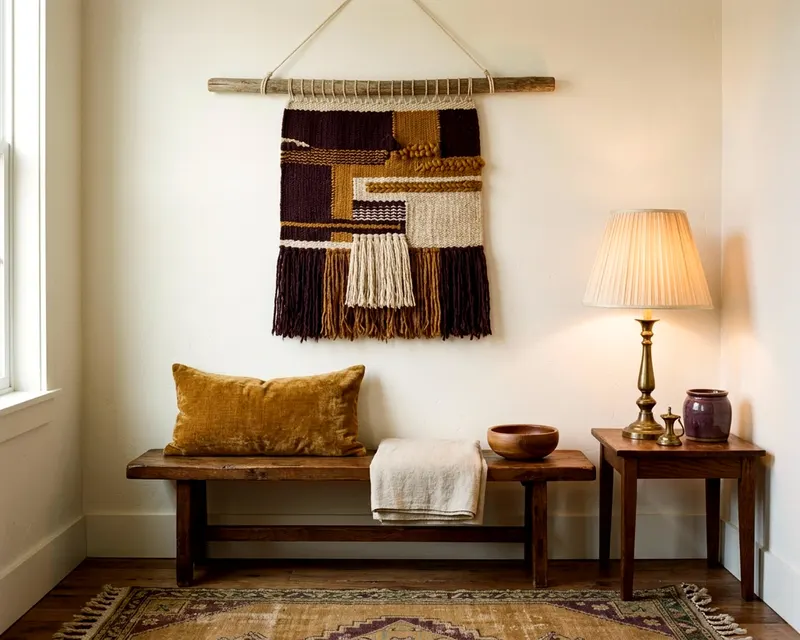
Hanging a wall tapestry takes proper support to keep the fabric taut and flat. A simple wooden dowel or a sturdy frame turns a loose textile into a finished focal point, preventing permanent pushpin holes. The best method depends on the weight of your fabric, as heavy wool requires strong hardware while delicate silk needs protection behind glass.
1. A wooden dowel through a sewn sleeve
The dowel is the cleanest way to hang heavy fabrics. A straight piece of wood supports the top edge so the corners sag less. The wood helps keep the middle from bowing under heavy wool. The fabric hangs flat.
Do you have a heavy woven piece? This method handles the weight easily and keeps the threads aligned. Sew a simple fabric tube along the back top edge of your wall hanging. The sleeve should stop a little short of each side.
Slide a round wooden dowel through the tube. The wood stays completely hidden from the front. Mount two small brackets or hooks on the wall to support the dowel ends, using anchors rated for the weight. The tapestry drops in a straight line.
2. A curtain rod with ring clips
The rod adds its own decorative detail above the fabric. A metal or wood curtain rod gives a casual textile a more substantial presence. A dark iron rod contrasts nicely with bright white fabrics.
You can find rings in finishes that match your existing room hardware. Do you want to swap your textiles out often? Ring clips make changing the display take only a few minutes. The quick swap means you can rotate your art with the seasons.
Pinch the clips evenly along the top hem. The clips grip thin cotton without leaving holes. Space them a few inches apart so the top edge does not dip. Mount the rod brackets to the wall and slide the rings on.
3. A wood hanger clamp at top and bottom
The clamp gives a loose weave a crisp and modern border. Two lengths of wood pinch the fabric tight at the top and bottom. The bottom weight helps pull wrinkles out of the fabric.
The wood frames the piece without covering the side edges. You can find these frames in light oak or dark walnut finishes. Buy a magnetic hanging frame sized to your tapestry width.
The top set of wood strips clamps over the top hem. The bottom set bites the lower edge. Hang the top clamp by its attached leather cord from one nail. This setup fits well when you decorate an empty corner and need vertical interest.
4. Hook and loop tape sewn along the top edge
The tape holds a wall tapestry close to the wall. Hook and loop strips keep the fabric nearly flush.
The invisible look works great for modern and minimalist rooms. The lack of visible hardware keeps all the focus on the pattern. Are you hanging a strange curved shape? The flexible tape follows gentle curves.
Sew the soft loop side of the tape to the back of the textile. Attach the stiff hook side to a flat piece of baseboard trim, and fasten that wood trim to the wall with anchors rated for the weight. Press the fabric tape right against the wood tape.
5. A frame behind glass
The glass turns a delicate silk piece into traditional wall art. A deep shadow box protects fragile threads from dirty hands and spills.
A small delicate fabric square gets lost on a big bare wall. The thick matting and dark wood border draw the eye exactly where you want it. The glass blocks dust.
Leave a little space between the fabric surface and the glass. The air gap can help keep moisture from sitting against the fibers. Pin the fabric to an acid-free linen backing board. You can hire a custom framer or buy a deep display box.
6. A stretched canvas mount
The canvas mount hides the edges of a worn or frayed textile. A blank painter canvas provides a rigid wooden skeleton for soft fabric. The stretched mount works beautifully for lightweight cottons and printed linen.
Do you have a vintage scarf with damaged edges? Fold the bad edges out of sight entirely. Center the tapestry over the blank canvas.
Pull the fabric tight around the back of the wood stretcher bars. Staple the back. The hidden staples do not damage the front side of the display. The textile wraps the sides and looks like a gallery painting.
It works well if you want collected maximalist decor instead of a messy room.
7. Above the bed in place of a headboard
The bed gets a soft focal point when you hang a wide textile above it. A large tapestry can stand in for a wooden headboard. The fabric brings warmth and color right down to the pillows.
The soft material can take the edge off echo in the room. A heavy quilt works perfectly as a cozy backdrop for the mattress. Hang a wide textile piece so the bottom edge sits hidden. Use a brass curtain rod to mount it high near the ceiling.
The long vertical drop can make a bedroom ceiling feel taller. The soft drape serves as calm bedroom decor that looks finished. The large scale fills up a blank wall quickly. Clean it only as its care label allows.
How to pick the right wall and size
The wall determines how much impact your tapestry wall hanging will have. A tiny weaving gets swallowed up on a massive living room wall. A massive heavy rug overpowers a small narrow hallway.
The placement height matters just as much as the overall width. Center the artwork at eye level for a person standing in the room.
Leave a wide border of bare paint on all sides of the fabric. The empty space gives the bold pattern room to breathe. Do you want to hang it over a sofa? Keep the fabric a little narrower than the furniture below it.
Protect the fabric from sun, damp and dust
Window light can slowly fade the dyes in natural threads. Direct afternoon sun can damage vintage fabrics over time, and silk is often especially sensitive. Avoid direct light.
Hang your favorite pieces on walls that stay shaded during the brightest part of the day. Use sheer white drapes to diffuse the harsh sunlight in south facing rooms. The damp air in bathrooms and kitchens can be hard on cotton and wool.
High humidity can also encourage mold in thick woven pieces. Keep your expensive textiles in dry living rooms and bedrooms instead.
Use a vacuum hose with a brush attachment on low suction to lift dust off the surface now and then, if the fabric is sturdy enough. Loose dust kept off the weave helps keep the threads bright.