6 places to hang a decorative wall mirror for more light
Find the best places to hang a decorative wall mirror in your home to bounce sunlight, brighten dark corners and make your room feel larger.
- Styled by Louisa Kimbrough
- 6 minute look
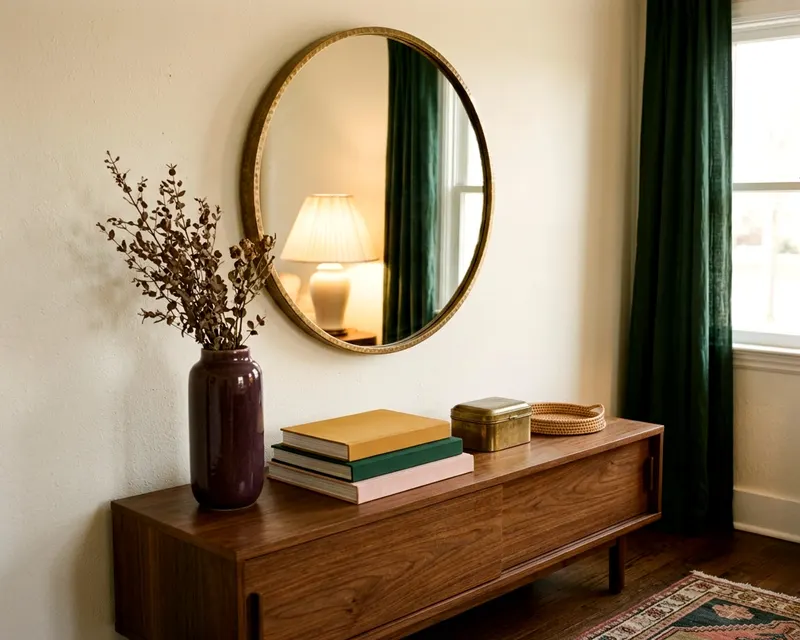
The best places to hang a decorative wall mirror are across from a window, over a mantel or leaned in a dark hallway. A well placed mirror grabs available light and throws it back into the room to brighten your bedroom in the morning. The location decides whether the glass helps the room or just reflects a plain white ceiling.
1. Beside or across from a window
The window is your primary light source during the day. Placing a heavy glass mirror directly on the opposite wall catches the bright afternoon sunlight and bounces it deep into the dark corners of the room. The space feels larger. If that opposite wall is already full, a mirror on the adjacent wall works just as well.
A mirror on the adjacent wall catches the angled light and casts a soft glow sideways. The angle always matters, because the glass reflects whatever sits exactly opposite. Check the view in the glass from your favorite chair before you drive a nail.
You want to see tree branches or blue sky. You do not want a clear reflection of a messy kitchen counter or a blank wooden door. Move the mirror left or right until the reflection improves the room.
2. Over a living room mantel
The fireplace usually anchors the living room layout. The mantel sits at a natural height to create a strong visual focal point. A large mirror placed here draws the eye upward and breaks up the flat stretch of brick or plain drywall. It reflects the ceiling light fixture.
The frame needs breathing room above the wood shelf. Keep the bottom edge of the frame a few inches above the mantel surface. Center the heavy glass exactly between the outside wall edges. A round mirror balances nicely over a standard firebox.
The round shape naturally softens the hard square lines of the fireplace. Add tall candlesticks or a small potted plant on the mantel right in front of the glass. The objects multiply in the deep reflection and add rich layers to the flat wall.
3. Above a console table or sofa
The sofa grounds the seating area in your living room. A blank wall above it just absorbs the daylight. The wall mirror breaks up that solid stretch of paint and brings the room to life. You want the mirror to span a little less than the width of the furniture below it.
The glass should never hang wider than the sofa itself, and the same careful proportion rule applies to a hallway console table. Hang the glass low enough to connect visually with the furniture. The exact center of the mirror belongs at a comfortable height from the wooden floor. This puts the reflection right at eye level for most adults.
With low ceilings, a tall rectangular shape draws the eye upward and adds height to a cramped room. This vertical trick is useful when you plan a lighting layout and need to reflect a low table lamp. The room feels brighter.
4. In a dark hallway or entryway
The entryway often lacks big windows. The interior hallway usually feels like a long dark tunnel. A mirror solves both problems by borrowing light from nearby spaces. The glass catches stray sunlight from an open bedroom door.
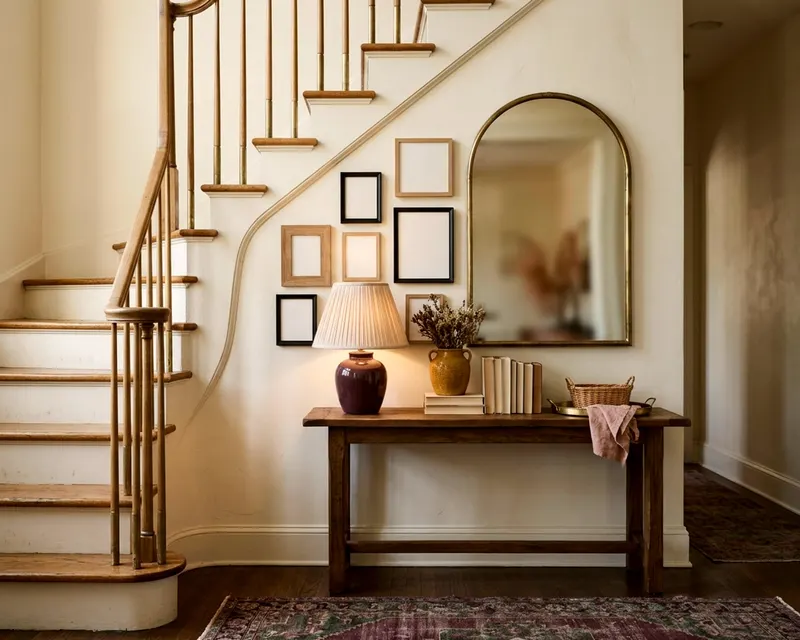
It bounces the soft warm glow from a hallway sconce right down the stairs. Place a long vertical mirror near the front door so you get a quick look at your coat before leaving the house. The deep reflection also creates a strong illusion of extra physical space. The narrow hall suddenly feels wider.
Pair the mirror with a small metal lamp on a narrow entry table. The bright bulb reflects directly in the glass and brightens the whole passage. You can match the mirror frame to your wooden baseboards for a clean, intentional look.
5. In a dining room to reflect candlelight
The dining room is built for quiet evening meals. The lighting usually stays soft and warm. A decorative mirror placed near the table catches the gentle glow of your chandelier. It also reflects any wax taper candles burning on the dinner table.
The whole room feels warmer and more inviting. Hang the glass on the longest solid wall. Keep the frame low enough to reflect the table centerpiece, not just the plain white ceiling. Sit down in a dining chair while a friend holds the heavy mirror against the wall.
From your seat, you should see the candles and the centerpiece in the glass, not the ceiling. A large framed mirror with an antique finish works beautifully here. The slightly clouded glass softens the reflection and keeps the light from glaring in your eyes.
6. Leaned in a bedroom corner as a floor mirror
The bedroom corner often sits empty and collects deep shadows. A tall floor mirror fixes this dead zone without much hardware. The heavy glass leans against the wall. The tall vertical shape catches stray light from a bedside lamp or the main window across the room.
The deep reflection gives the sleeping area a strong sense of depth. You also get a helpful full body view for getting dressed in the morning. The frame needs to be heavy and thick enough to stay put, and a tall mirror is worth securing to the wall so it cannot tip. An arched top softens the sharp right angles of a typical square room.
In a small, cramped room, a leaned mirror reads like a doorway to a brighter space. It reflects your walls beautifully, which helps a lot if you choose dark bedroom paint colors.
How to size your mirror for the wall
The mirror must fit the physical space to look intentional. A small mirror pinned in the middle of a huge blank wall just looks accidental. The glass should fill a good share of the available wall width. The frame style also changes the perceived size of the piece, as a thick carved wood frame takes up much more visual space than a thin brass rim.
Tape the exact shape of the mirror directly on your wall with blue painter's tape, then step back across the room to check the proportions. You might find you need a large circle instead of a small one. Go larger when you are in doubt. A big mirror brings in more light and helps when you want to decorate a living room from scratch.
Hanging a heavy mirror with the right hardware
A decorative wall mirror is often heavy. Thick glass and a solid frame can weigh too much for a simple picture hook. You must secure the heavy load to keep your walls intact and your floors safe.
Find a wooden support beam hidden behind the drywall with an electronic stud finder. Zircon says wall studs are typically 16 to 24 inches apart. A long steel screw driven directly into the wood offers a strong hold. Mark the exact center of the wood with a pencil.
Sometimes the stud is not where you need the mirror to go, so you have to use a heavy-duty wall anchor instead. IKEA's wall anchoring guide says drywall cannot support as much weight as walls made of wood, concrete or brick, so hardware must suit the wall type. Plastic ribbed anchors can pull straight out of plain drywall under a heavy load.
A metal toggle bolt gives a strong grip in a hollow drywall cavity. Toggler rates its carbon steel SnapToggle anchor for up to 238 lbs in 1/2-inch drywall and lists large mirrors among its uses. The metal channel slides through a drilled hole and snaps flat against the back of the drywall to spread the weight. Always check the exact shipping weight on your mirror box and use hardware rated well above that figure and follow the anchor maker's instructions.